
There’s something quietly frustrating about turning on your tap and not fully trusting what comes out. You don’t always notice it right away—maybe it’s a faint smell, a chalky residue on your kettle, or just that lingering doubt when you fill a glass. Water, something so basic, so essential, shouldn’t feel uncertain. And yet, for many households, it does.
The truth is, access to clean, safe water at home isn’t always as simple as it sounds. Municipal systems do their job, sure, but pipes age, sources vary, and local conditions change. Somewhere between the treatment plant and your kitchen sink, things can shift. That’s where thoughtful, reliable water solutions start to matter—not as a luxury, but as a necessity.
Understanding What’s Really in Your Water
Most people don’t test their water until there’s a visible issue. And by then, the problem has already made itself known—stains on fixtures, odd taste, maybe even skin irritation. But water quality isn’t always dramatic. Sometimes it’s subtle, almost polite in the way it hides.
Hard water, for instance, is incredibly common. It won’t harm you directly, but it can quietly damage appliances, reduce soap efficiency, and leave everything feeling just a bit… off. Then there are contaminants—chlorine, sediments, or trace metals—that don’t always show up in obvious ways but still affect daily use.
What’s interesting is how personal water quality can be. Two houses on the same street might experience completely different issues depending on plumbing, storage, or usage patterns. That’s why a one-size-fits-all approach rarely works. It’s less about fixing “water” and more about understanding your water.
The Shift Toward Smarter Systems
Not long ago, improving water quality meant installing a bulky filter and hoping for the best. Today, things are different. Systems have become smarter, more targeted, and surprisingly efficient. You can now address specific issues—like hardness, iron content, or bacterial presence—without overcomplicating the setup.
Reverse osmosis systems, UV purification units, softeners… they all serve different purposes. And when chosen correctly, they don’t just improve water—they transform how you use it. Cooking feels cleaner, showers feel softer, even laundry comes out better.
But here’s the catch: the system itself is only half the story. The way it’s set up, calibrated, and maintained plays a huge role in how effective it actually is.
Why Proper Setup Makes All the Difference
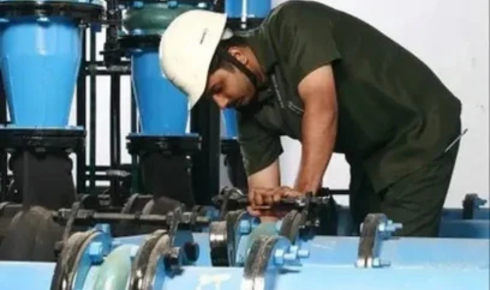
It’s tempting to think of water systems as plug-and-play. Buy the unit, connect a few pipes, and you’re done. But in reality, proper installation services are what turn a good system into a great one.
A poorly installed filter can reduce water pressure. A misconfigured softener might waste salt or fail to remove hardness effectively. Even something as simple as incorrect placement can limit performance. These aren’t dramatic failures—they’re small inefficiencies that add up over time.
Professionals, when they know what they’re doing, don’t just install equipment. They assess flow rates, test incoming water, and tailor the setup to your home’s needs. It’s a bit like tailoring a suit—off-the-rack might work, but a custom fit feels entirely different.
And once everything is in place, maintenance becomes easier too. Filters last longer, systems run smoother, and you spend less time worrying about whether things are working as they should.
Living With Better Water, Day by Day
There’s a moment—usually subtle—when you realize your water has improved. Maybe it’s the way your tea tastes cleaner, or how your skin feels less dry after a shower. It’s not dramatic, but it’s noticeable. And over time, those small changes become part of your routine.
That’s the real goal: not just clean water, but better water every day. Water that you don’t have to think about, question, or second-guess. It just works, quietly supporting your life in the background.
It’s also about peace of mind. Knowing that what you’re drinking, cooking with, and bathing in meets a standard you trust—it’s a kind of comfort that’s hard to quantify but easy to appreciate.
A Thought Worth Sitting With
We often invest in things we can see—furniture, gadgets, décor. But water? It’s invisible most of the time, easy to overlook. Yet it touches nearly every part of our day, from morning coffee to late-night handwashing.
Maybe that’s why improving it feels so impactful. It’s not flashy. It doesn’t demand attention. But once it’s right, you feel it everywhere.
And perhaps that’s the point. Clean, reliable water shouldn’t feel like a privilege or an afterthought. It should feel normal—like something you can count on without thinking twice.
Because when something as simple as water starts working the way it should, everything else just feels a little easier.

