
Walk into any busy business—a café, a hotel, a manufacturing unit—and you’ll notice movement, energy, systems working in sync. Orders being taken, machines running, people doing their part.
But there’s one thing you probably won’t notice.
Water.
It’s there, everywhere, supporting everything. And yet, it rarely gets the attention it deserves—until something feels off. A drink doesn’t taste right. Equipment starts needing maintenance more often. Cleaning takes longer than usual.
That’s when water steps out of the background.
The Invisible Element That Keeps Things Running
Water doesn’t just support operations—it shapes them. It influences quality, efficiency, and even customer experience in ways that are easy to overlook.
In food service, it affects taste. In hospitality, it impacts comfort. In industrial settings, it plays a role in production quality and equipment performance.
The challenge is that most of these effects are subtle. They don’t disrupt everything at once—they show up gradually, in small inconsistencies that build over time.
And when consistency is everything, those small details start to matter a lot.
When Businesses Start Paying Attention
At some point, many business owners begin to notice patterns. The same minor issues keep coming back. The same maintenance tasks feel more frequent than they should.
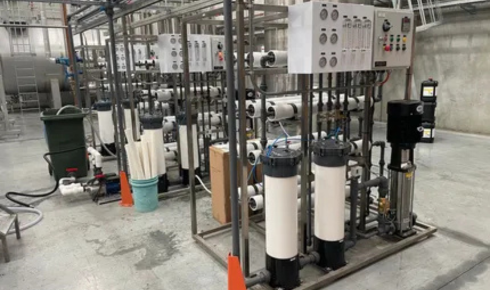
That’s often the moment when they start exploring commercial systems designed to manage water more effectively. These systems aren’t just about handling volume—they’re about ensuring reliability across different uses.
Because in a business environment, unpredictability isn’t just inconvenient—it can be costly.
Consistency, on the other hand, builds trust.
The Impact on Equipment and Efficiency
One of the first places water issues show up is in equipment. Mineral buildup, for example, can reduce efficiency over time. Machines have to work harder, which leads to wear and tear.
It’s not something that happens overnight. But it’s noticeable in the long run—higher energy usage, more frequent repairs, shorter equipment lifespan.
This is where water treatment systems come into play. By addressing the underlying causes—whether it’s hardness, sediment, or other impurities—they help protect the tools businesses rely on every day.
The result isn’t just better performance. It’s fewer interruptions.
More Than Just Maintenance
While protecting equipment is a big part of the equation, it’s not the only one.
Water also influences how customers experience your business. In a restaurant, it affects the flavor of food and beverages. In a hotel, it shapes how guests feel during their stay. Even in office environments, it contributes to comfort in subtle ways.
These details might seem small, but they add up. And in competitive industries, they can make a difference.
That’s why businesses begin to look beyond basic fixes and consider broader water services. Not just to solve problems, but to improve the overall experience they offer.
Finding the Right Approach
There’s no single solution that works for every business. Needs vary depending on the industry, the size of operations, and the specific challenges being faced.
A café might prioritize taste and clarity. A hotel might focus on comfort and consistency. A manufacturing unit might need precise control over water composition.
The key is understanding your own situation. What are you noticing? Where are the inefficiencies? What could be improved?
Once you have that clarity, the right approach becomes easier to identify.
The Long-Term Perspective
One of the most overlooked aspects of water management is its impact over time.
Small inefficiencies can turn into larger costs if left unaddressed. Maintenance expenses increase. Equipment needs replacement sooner than expected. Operations become less predictable.
Improving water quality isn’t just about solving immediate issues—it’s about creating a more stable, efficient system for the future.
And that kind of stability has real value.
A Different Way to Look at Water
It’s easy to think of water as something that simply exists—a basic resource that supports everything else. But in reality, it’s part of the foundation.
It influences how systems operate, how products turn out, how customers feel. It shapes the everyday experience in ways that aren’t always obvious at first.
Once you start paying attention, it becomes clear that water isn’t just a background detail—it’s a key part of how a business functions.
A Final Thought
Successful businesses are built on attention to detail. Not just the big decisions, but the small, consistent ones that keep everything running smoothly.
Water is one of those details.
And sometimes, the smartest improvements aren’t the ones people notice right away—they’re the ones that quietly make everything else work better.
Because when the foundation is strong, everything built on top of it becomes more reliable.

