How To Build A Hot Grab-And-Go Food Program That Works In Texas
Key Takeaways In Texas, a successful hot grab-and-go program has to work for more than one kind of customer. It may serve an early commuter in Dallas, a family picking…
 PublishArena / Feature
Key Takeaways In Texas, a successful hot grab-and-go program has to work for more than one kind of customer. It may serve an early commuter in Dallas, a family picking up dinner after school, a hospital visitor, a traveler stopping near the interstate, or…
What this feature establishes
- 01
Key Takeaways Build the program around local customer routines and high-demand dayparts.
- 02
Choose a focused menu of foods that remain appealing during their intended holding period.
- 03
Make pricing, labeling, pickup, and payment easy to understand at a glance.
Key Takeaways
- Build the program around local customer routines and high-demand dayparts.
- Choose a focused menu of foods that remain appealing during their intended holding period.
- Make pricing, labeling, pickup, and payment easy to understand at a glance.
- Use small-batch production and daily sales data to limit unnecessary waste.
- Give employees clear standards for food safety, refilling, rotation, and cleaning.
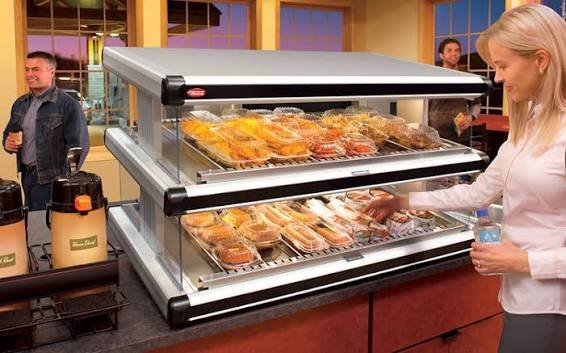
In Texas, a successful hot grab-and-go program has to work for more than one kind of customer. It may serve an early commuter in Dallas, a family picking up dinner after school, a hospital visitor, a traveler stopping near the interstate, or a worker with only a few minutes for lunch. The strongest programs make hot food easy to notice, trust, buy, and carry without slowing down the customer’s day. Display planning is a major part of that experience. Atlantic Food Bars’ hot food merchandiser lineup includes packaged hot-food cases and related display configurations for retail and foodservice operators. Based in Dallas, Texas, Atlantic Food Bars brings decades of design, engineering, and manufacturing experience to hot-, cold-, and combination-food merchandising solutions for operators planning stores and installations nationwide.
Why Hot Grab-And-Go Food Needs A Clear Plan
Convenience matters, but it is not the only reason customers purchase prepared food. They also judge whether an item looks fresh, feels like a fair value, fits the occasion, and can be eaten without hassle. A neat display with clear choices can make a convenience store, grocery deli, campus market, workplace café, or travel center feel more dependable. Texas operators also need to account for changing traffic patterns. Breakfast can be fast and portable, workplace schedules can drive lunch, and dinner may favor larger portions or meal components that customers can bring home. A hot case should reflect those patterns rather than rely on the same assortment all day.
Start With The Customer And The Daypart
Before selecting equipment or filling a menu board, identify why people visit the location. A store near offices may need breakfast sandwiches, wraps, and handheld lunch items. A neighborhood grocer may find demand for rotisserie chicken, hot sides, soups, and family-oriented meals. A location near a highway may benefit from food that can be eaten safely and conveniently on the move. A customer browsing a clean, hot grab-and-go display in a busy Texas convenience store, naturally choosing a packaged meal while other shoppers move in the background, candid, documentary-style lifestyle photography with realistic store lighting and an authentic, in-the-moment feel.
Related reading: Benefits of Seasonal Fruits and Vegetables
A Simple Planning Exercise
- Identify the busiest periods by day and hour.
- List the purchase occasions customers are trying to solve.
- Review nearby meal options, prices, and service speeds.
- Choose a small group of products with a clear purpose.
- Test the initial menu before adding more choices.
Choose A Menu That Holds Well
Great flavor at the moment food leaves the kitchen is the only test. Each item should also maintain an acceptable temperature, appearance, aroma, and texture throughout the planned display period. Crisp foods can soften when steam is trapped. Sauced foods may dry at the edges. Delicate items may lose appeal long before they become a safety concern. Start with a manageable mix of breakfast sandwiches, chicken tenders or wings, pizza slices, hot sandwiches, soups, chili, vegetarian options, and higher-protein choices. Keep the opening menu narrow enough that employees can produce it consistently. A smaller selection with visible best-sellers often creates a stronger impression than a crowded case containing slow-moving products.
Design The Display Around Fast Decisions
A customer should be able to see the product, understand the price, confirm key details, pick it up, and continue to checkout with very little effort. Put popular items in easy sight lines, group food by meal occasion, and keep aisles clear around the display. Place napkins, bags, utensils, and sauces within easy reach so customers do not have to search for them. Labels should be readable and consistent. Include the product name, price, and allergen information where required by the operation’s policies and applicable rules. If an item is spicy, vegetarian, contains common allergens, or is intended for a specific meal period, say so clearly. Good lighting and orderly facing also help food look approachable without making the area feel overbuilt.
Protect Quality During Hot Holding
Hot holding is both a food safety responsibility and a quality-control responsibility. Employees need a written routine for checking temperatures, recording times, rotating inventory, and removing items that no longer meet the operation’s standards. The FDA provides retail food safety training materials that can support employee education on safe food-handling practices.
Related reading: How Portion Control Helps in Maintaining Health
- Use calibrated thermometers and a documented check schedule.
- Mark when each batch enters the display and when it must be discarded.
- Follow first-in, first-out rotation procedures.
- Remove food that has lost its intended texture, appearance, or freshness.
- Train every team member who loads, checks, cleans, or refills the case.
Match Packaging To The Food
Packaging affects temperature retention, moisture control, portability, visibility, and perceived value. A container that works for sauced pasta may not work for crisp chicken. Consider whether the package prevents spills, releases excess steam when needed, opens easily, fits the display, and supports the operation’s disposal or sustainability goals. Test packaging with the actual food, not just with an empty sample. Hold a finished item for the expected selling period, then evaluate the crust, bread, sauce, condensation, temperature, and overall appearance. This small step can prevent disappointing customer experiences and avoidable product waste.
Build A Production And Refill Routine
Preparing too much food too early can turn a promising program into a waste problem. Use smaller batches and scheduled refills based on real demand. Begin with an opening batch, monitor sales by daypart, and adjust production only after consistent patterns emerge.
- Set expected opening quantities for each product.
- Schedule refills for breakfast, lunch, dinner, and peak travel periods.
- Track which products sell first and which sit the longest.
- Use smaller pans or fewer facings during slow periods.
- Review waste at the end of every shift and document the reason.
Track What Is Working
Total sales alone do not tell the full story. Review units sold by hour, sales by item, average transaction value, margin, waste by product, average holding time, stockouts, and customer feedback. Those measures can reveal whether an item needs a new price, a better package, a different placement, a smaller batch size, or removal from the menu.
Related reading: Importance of Breakfast for Daily Energy Levels
Common Mistakes To Avoid
- Launching too many products before the team can run the basics consistently.
- Selecting menu items only because they are available from a supplier.
- Using packaging that traps moisture and damages texture.
- Leaving products out without clear time and rotation controls.
- Failing to track waste alongside sales.
- Changing the menu before enough data has been collected.
A Practical 30-Day Test Plan
During week one, study traffic, nearby competitors, available space, and customer needs. In week two, test a short menu for flavor, packaging, holding performance, and appearance. Launch in week three with trained employees, clear labels, and daily tracking. In week four, review sales, waste, stockouts, feedback, and workflow issues before making measured adjustments.
Conclusion
A hot grab-and-go program becomes reliable when every part supports the next. The menu must suit the customer, fit the available equipment, and remain practical during busy service periods. The display should make choices easy to understand, while packaging needs to protect the product, maintain presentation, and support convenient transport. Employees also need repeatable routines for preparation, stocking, temperature checks, labeling, and restocking throughout the day. Management needs usable data to understand which items sell, when demand changes, and where waste or operational problems may occur. For Texas food retailers and foodservice operators, paying attention to these connected details can make the program easier to manage and more consistent for customers. Over time, a well-organized hot food program can become a dependable part of the daily customer experience rather than an occasional add-on.