How to explore Lucknow’s architectural heritage beyond its famous monuments
When considering Lucknow’s architecture, one must not think only of the Bara Imambara and the Rumi Darwaza. Near the city, smaller tombs, palace ruins and earlier dwellings indicate the city’s…
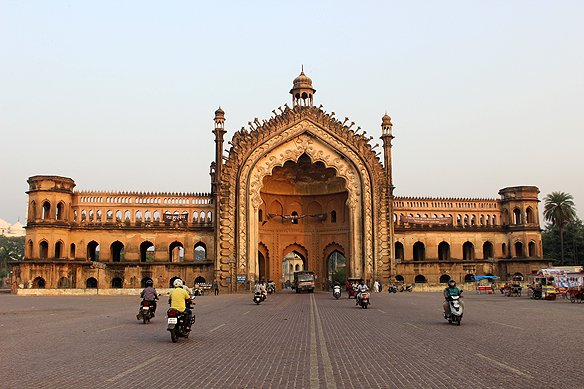 PublishArena / Feature
When considering Lucknow’s architecture, one must not think only of the Bara Imambara and the Rumi Darwaza. Near the city, smaller tombs, palace ruins and earlier dwellings indicate the city’s construction. While some occupy considerable space, some rest in localities where the city’s business…
What this feature establishes
- 01
When considering Lucknow's architecture, one must not think only of the Bara Imambara and the Rumi Darwaza.
- 02
Near the city, smaller tombs, palace ruins and earlier dwellings indicate the city’s construction.
- 03
While some occupy considerable space, some rest in localities where the city’s business continues.
When considering Lucknow’s architecture, one must not think only of the Bara Imambara and the Rumi Darwaza. Near the city, smaller tombs, palace ruins and earlier dwellings indicate the city’s construction. While some occupy considerable space, some rest in localities where the city’s business continues.
The understanding of these buildings requires more than collecting the names. It requires familiarity with the buildings’ location, their original purpose, and their relation to the nearby streets. One can explore one area, and then visit the opposite one.
Lucknow’s Kaiserbagh: the Palace District
Kaiserbagh is a fitting starting point for visiting the historical monuments located in the city. The places in the heritage tour organised by Uttar Pradesh Tourism are the Lal Baradari, as well as the Safed Baradari, the palace gates, and the royal tombs.
Related reading: 10 Outfits Inspired by Famous Works of Art are Auctioned in London
A guide can make it easier to link these buildings together. If you do not have a guide, you could end up confusing an isolated garden gate for the entire attraction.
The Lal Baradari’s purpose was to serve as a court under Nawab Saadat Ali Khan. Therefore, one may realise how architecture creates a space for public power to manifest itself.
Travellers researching hotels in Lucknow can use Kaiserbagh and Hazratganj as reference points for this central circuit. Compare actual road journeys, since a convenient-looking address may involve awkward traffic crossings.
Related reading: How Small Businesses Can Build Backlinks That Support Long-Term Growth
Lucknow’s royal tombs: study the smaller details
The mausoleums of Saadat Ali Khan and his wife, commonly known as Khurshid Zadi, deserve an unhurried stop in Kaiserbagh. These buildings shift attention from court ceremonies to royal remembrance.
Begin by studying their outlines from the grounds. Then look more closely at the domes’ proportions, repeated openings and decorative surfaces. Comparing two neighbouring structures is an accessible way to notice architectural choices without needing specialist knowledge.
Saadat Ali Khan’s son Ghazi-ud-Din Haidar commissioned his mausoleum. Knowing that family connection gives the site more meaning than a quick exterior photograph. Follow posted access rules and steps or historic surfaces as seating. A compact notebook can record details worth asking a guide about later.
Related reading: Reindeer Rental St. Louis and Reindeer Rental Kansas City: Create a Magical Event
Lucknow’s Yahiyaganj: look beyond the Nawabi Period
Yahiyaganj’s Nadan Mahal reveals one of the city’s earlier periods. It is also a memorial dedicated to Shaikh Abdur Rahim, the province’s governor during Akbar’s regime.
The reddish sandstone used, the column stones in the structure that support its roof and the adjacent pavilion are different from other palace-type buildings in and around Lucknow, proving to be a place for experiencing a different form of architecture.
Make sure to give time to walk around the building. Make sure you are safe before pointing your camera upwards for pictures of the building.
Related reading: The Secret to Memorable Celebrations Isn’t Perfection—It’s Thoughtful Planning
Ask your driver about a suitable drop-off point rather than expecting transport to stop immediately outside every entrance. Comfortable footwear matters here more than an ambitious walking distance.
Lucknow’s Dilkusha: understand a country retreat
Dilkusha Palace, situated just south of La Martiniere College, alters the terms of the visit. Constructed as a hunting lodge under the patronage of Saadat Ali Khan, it remains mostly in ruins, with some landscaped grounds.
The setting illustrates its original function. Rather than a haphazard urban palace area, it was designed with space and separation from courtly life in mind. The partially damaged walls also reflect the turbulence of 1857 and the building’s subsequent abandonment.
Related reading: Car Rental Kolkata and Tempo Traveller Kolkata: The Perfect Choice for Comfortable Travel
Plan on visiting the palace on a bright day and keep to areas that are not blocked off. Make the extra journey by vehicle rather than walking the distance of the heritage trail.
Lucknow: make room for a closer look
Split these visits across two mornings if architecture is your main interest. Cooler conditions make detailed observation easier, while a shorter route leaves time for questions and unexpected access changes.
Before choosing hotels in Lucknow, decide whether your priority is the central palace district or a broader city itinerary. Keep the final hour unscheduled. Returning to one doorway or pavilion with a better understanding can be more rewarding than adding another stop.