What Really Happens Inside a Water Filter (And Why It Matters More Than You Think)
Most of us don’t spend much time thinking about what happens after we turn on the tap. Water flows, fills a glass, and that’s about the end of the story.…
 PublishArena / Feature
Most of us don’t spend much time thinking about what happens after we turn on the tap. Water flows, fills a glass, and that’s about the end of the story. But if you’ve ever paused—maybe while replacing a filter or reading about water systems—you…
What this feature establishes
- 01
Most of us don’t spend much time thinking about what happens after we turn on the tap.
- 02
Water flows, fills a glass, and that’s about the end of the story.
- 03
But if you’ve ever paused—maybe while replacing a filter or reading about water systems—you might’ve wondered what’s actually going on behind the scenes.
Most of us don’t spend much time thinking about what happens after we turn on the tap. Water flows, fills a glass, and that’s about the end of the story.
But if you’ve ever paused—maybe while replacing a filter or reading about water systems—you might’ve wondered what’s actually going on behind the scenes.
Because modern filtration isn’t just one step. It’s a process. Quiet, layered, and surprisingly thoughtful.
It Usually Starts Before You Even Notice
Long before water reaches the final stage of cleaning, there’s a kind of preparation happening. It’s not glamorous, but it’s essential.
This early step, often called pre-filtration, focuses on removing larger particles—things like sediment, dirt, or debris that might have entered the water along the way.
Think of it as clearing the path. By catching the obvious stuff first, it protects the more delicate parts of the system that come later.
Related reading: The Hidden Journey of Your Tap Water and Why It Matters More Than You Think
You probably won’t notice the difference directly. But without this stage, the rest of the process wouldn’t work nearly as well.
The Real Work Happens in the Middle
Once those larger particles are out of the way, water moves into a more refined stage.
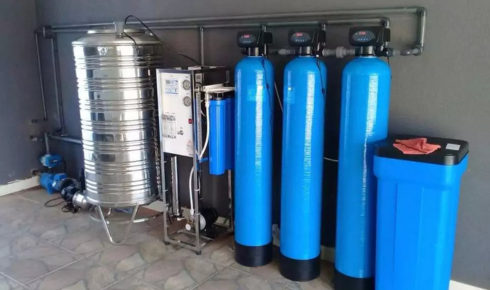
This is where systems using a semi-permeable membrane come into play. It’s a technical term, sure, but the idea is fairly simple: water is pushed through an extremely fine barrier that allows only certain molecules to pass.
What gets left behind? Many of the tiny, dissolved substances that affect taste, clarity, and overall quality.
It’s one of the most effective ways to create clean, consistent water. And while you don’t see it happening, you often notice the result—water that tastes lighter, smoother, almost neutral in a good way.
The Final Touch That Makes a Difference
Even after that intense level of filtering, there’s usually one more step.
Related reading: Why the Right Water Filtration System Can Transform Your Home More Than You Expect
This is where post-filtration comes in. It’s a kind of finishing layer, designed to polish the water before it reaches your tap.
At this stage, the focus is often on improving taste and ensuring that any remaining traces from earlier stages are addressed.
It’s subtle, but it matters. Because even when water is technically clean, the final experience—how it tastes, how it feels—is what you notice most.
Why All These Layers Exist
It might seem like a lot. Multiple stages, different methods, each with its own purpose.
But water isn’t simple. It carries a mix of elements, some visible, many not. Trying to handle everything in one step would be inefficient—and often ineffective.
That’s why modern systems are built in layers. Each stage handles a specific part of the job, working together to create a balanced result.
Related reading: The Stains Around Your Sink Might Be Saying More Than You Think
It’s less about removing everything and more about refining what remains.
The Everyday Impact You Don’t Always Connect
What’s interesting is how much this process affects your daily life, even if you don’t think about it.
It’s in your morning coffee, shaping the flavor more than you might expect. It’s in your cooking, influencing how ingredients come together. It’s even in how much you enjoy drinking water throughout the day.
When filtration works well, everything feels easier. You don’t question it.
But when it’s off—when a filter is overdue for replacement, or a stage isn’t performing as it should—you start to notice small changes.
And those small changes tend to add up.
Related reading: Why Better Water at Home Is About More Than Just What Comes Out of the Tap
Keeping the System Working the Way It Should
One of the most overlooked aspects of filtration is maintenance.
Each stage—pre, membrane, post—relies on components that wear out over time. Filters clog. Efficiency drops. Performance shifts gradually.
It’s not something that happens overnight. But eventually, it shows.
That’s why regular care matters. Not as a chore, but as a way to keep everything running smoothly.
Because when the system is working properly, you don’t think about it at all.
A Change That Feels Quiet but Meaningful
Improving your water isn’t the kind of upgrade that grabs attention.
Related reading: Why Water Quality Plays a Bigger Role in Business Success Than Most People Realize
There’s no dramatic moment where everything suddenly looks different. Instead, it’s gradual.
Your water tastes cleaner. Your routines feel smoother. Your home feels just a bit more comfortable.
And then, after a while, it becomes normal.
You stop noticing it—because it’s doing exactly what it’s supposed to do.
A Final Thought, Just to Sit With
Water filtration is one of those things that works best when it’s invisible.
You don’t see the stages. You don’t hear the process. But you experience the result every single day.
And sometimes, understanding what’s happening behind the scenes is enough to appreciate just how much those quiet systems are doing for you.