When the Water Stops, You Notice Everything: A Real Look at the Pump Behind Your Home
There’s a moment most well-water homeowners remember vividly—the tap turns, nothing happens, and suddenly the silence feels louder than usual. It’s a strange kind of pause, the kind that reminds…
 PublishArena / Feature
There’s a moment most well-water homeowners remember vividly—the tap turns, nothing happens, and suddenly the silence feels louder than usual. It’s a strange kind of pause, the kind that reminds you just how much of your daily life depends on something you rarely think…
What this feature establishes
- 01
There’s a moment most well-water homeowners remember vividly—the tap turns, nothing happens, and suddenly the silence feels louder than usual.
- 02
It’s a strange kind of pause, the kind that reminds you just how much of your daily life depends on something you rarely think about.
- 03
Water, in homes like these, doesn’t just show up.
There’s a moment most well-water homeowners remember vividly—the tap turns, nothing happens, and suddenly the silence feels louder than usual. It’s a strange kind of pause, the kind that reminds you just how much of your daily life depends on something you rarely think about.
Water, in homes like these, doesn’t just show up. It’s brought up, pushed through, managed quietly by a system that’s been doing its job in the background for years. And at the center of it all is a piece of equipment that doesn’t ask for attention… until it needs it.
The Day You Start Paying Attention
Most people don’t think about their well pump when everything’s running smoothly. Why would they? You turn on the tap, water flows. End of story.
But the first time something feels off—low pressure, strange noises, maybe a delay before water arrives—you start noticing things. The sound of the pump cycling. The way pressure changes when more than one tap is running. It’s subtle, but once you hear it, you can’t unhear it.
That’s usually the moment awareness kicks in. Not panic, just curiosity. You start wondering how it all works.
Related reading: The Day You Notice Your Water: A Quiet Shift That Changes How Your Home Feels
More Than Just a Machine
It’s tempting to think of a pump as a simple device—something that pulls water from the ground and sends it to your house. But it’s a bit more layered than that.
Most systems involve pressure tanks, switches, pipes, and valves, all working together. The pump doesn’t run constantly. It turns on when pressure drops and shuts off when things are back to where they should be.
That’s why you don’t notice it all the time. It’s designed to stay out of your way.
And honestly, when it’s working properly, it does that job really well.
When Things Start to Shift
Problems don’t usually show up overnight. They creep in.
Related reading: When Your Tap Tastes a Little Too Sharp: A Real Look at Chlorine in Everyday Water
You might notice the pump turning on more often than it used to.
Or the water pressure feels slightly weaker, just enough to be annoying.
Sometimes there’s a sound—nothing loud, but different.
These small changes often point to wear and tear. Maybe the pump is aging. Maybe another part of the system isn’t supporting it the way it should.
Either way, it’s a signal. And ignoring it doesn’t make it go away.
The Search for a Replacement
Eventually, some homeowners reach a point where repair isn’t enough. That’s when the search begins—usually online, late at night, typing something like “well pumps for sale” and trying to make sense of all the options.
And it can feel overwhelming.
Related reading: When Your Home Starts Whispering: A Real-World Look at Pipes, Pressure, and the Case for Repiping
Different sizes, different types, different price ranges. Submersible vs. above-ground. Horsepower ratings, flow rates—it’s a lot to take in, especially if you’re not dealing with this stuff regularly.
But here’s the thing: you don’t need to know everything. You just need to understand what your home needs.
Depth of your well, water usage, existing system—those are the basics. From there, it gets easier to narrow things down.
Not All Pumps Are the Same
If you dig a little deeper, you’ll realize that not all well pumps are built for the same purpose.
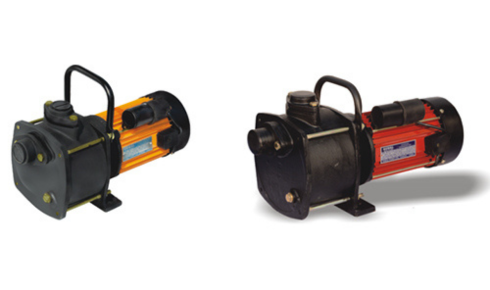
Some are designed for shallow wells, sitting above ground and pulling water up. Others are submersible, placed deep inside the well, pushing water upward instead of pulling it.
Related reading: Why the Right Water Filtration System Can Transform Your Home More Than You Expect
Each has its own advantages. Submersible pumps tend to be quieter and more efficient for deeper wells. Above-ground pumps are easier to access and maintain.
Choosing between them isn’t about which one is “better.” It’s about which one fits your setup.
Maintenance Isn’t as Complicated as It Sounds
One of the biggest misconceptions is that well systems require constant attention. In reality, they’re fairly low-maintenance—as long as you don’t ignore them completely.
A quick check now and then.
Listening for unusual sounds.
Keeping an eye on pressure levels.
That’s usually enough to catch issues early.
Related reading: The Difference Good Water Makes in a Home You Actually Live In
And honestly, those small checks can save you from much bigger problems later.
The Comfort of a System That Works
There’s something underrated about turning on a tap and not thinking twice. Water flows, pressure feels right, everything just… works.
It’s easy to take that for granted. But once you’ve experienced a system that doesn’t work properly, you start to appreciate the difference.
Because it’s not just about water. It’s about reliability. About knowing that something essential is taken care of without needing your constant attention.
Final Thoughts
A well pump isn’t the kind of thing you show off or talk about often. It’s not visible, not exciting, not part of everyday conversation.
But it’s essential.
It’s what turns an underground resource into something you can actually use. What keeps your home running smoothly without asking much in return.
And maybe that’s what makes it worth understanding—just a little.
Because in the end, the systems we rely on the most are often the ones we notice the least. Until they stop working, of course. And then, suddenly, they’re all we can think about.