When Your Water Has a Story Beneath the Surface
There’s a certain comfort in turning on a tap and expecting everything to just… work. No questions, no doubts, no second thoughts. But if you’ve ever lived somewhere long enough,…
There’s a certain comfort in turning on a tap and expecting everything to just… work. No questions, no doubts, no second thoughts. But if you’ve ever lived somewhere long enough, you start noticing little changes. A faint smell after rain. A slight tint in…
What this feature establishes
- 01
There’s a certain comfort in turning on a tap and expecting everything to just… work.
- 02
But if you’ve ever lived somewhere long enough, you start noticing little changes.
- 03
A kettle that needs cleaning more often than it should.
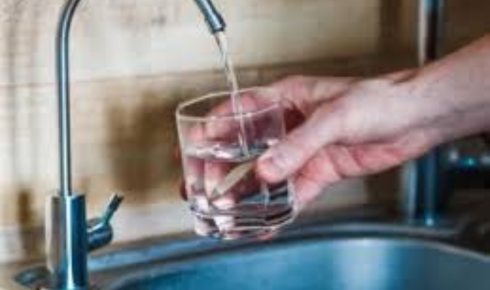
There’s a certain comfort in turning on a tap and expecting everything to just… work. No questions, no doubts, no second thoughts. But if you’ve ever lived somewhere long enough, you start noticing little changes. A faint smell after rain. A slight tint in the water glass. A kettle that needs cleaning more often than it should.
It never feels like a big problem at first. Just small things. Easy to ignore.
Until one day, you don’t.
The Reality Hidden Beneath Clear Water
For a lot of people, especially in rural or semi-rural areas, the main source of household water comes from underground sources. And well water has its own personality, if you can call it that.
Sometimes it’s incredibly fresh and natural. Other times, it carries minerals, organic matter, or subtle contaminants that change how it behaves in daily use. It might stain sinks, affect taste, or leave a faint odor that’s hard to describe but impossible to ignore once noticed.
The tricky part is that it often looks perfectly fine. Clear water doesn’t always mean consistent quality. That’s where most of the confusion begins.
Related reading: When Your Tap Tastes a Little Too Sharp: A Real Look at Chlorine in Everyday Water
People assume if it looks clean, it is clean. But water has a way of hiding its story.
When Home Water Starts Feeling “Off”
If you’ve ever poured a glass and paused for a second, trying to figure out why it doesn’t taste quite right, you’re not alone. That small moment of hesitation is usually where awareness begins.
In many homes, filtration systems become the first real step toward understanding what’s actually in the water. Not because something is dangerously wrong, but because people want consistency. They want water that tastes the same every time, feels the same every time, behaves the same every time.
What’s interesting is how quickly people notice the difference after filtration. Coffee tastes smoother. Ice cubes look clearer. Even washing vegetables feels a bit more “neutral,” if that makes sense.
It’s not a dramatic transformation. It’s subtle. But it adds up in daily life more than most people expect.
The Everyday Struggle No One Talks About
Water issues rarely announce themselves loudly. They creep in slowly.
Related reading: When Better Water Becomes a Business Decision (and a Home Comfort Too)
A washing machine that doesn’t feel as efficient. Soap that doesn’t lather quite the same. Slight buildup in kettles or faucets. Clothes that don’t feel as soft after washing.
At first, you adjust. Maybe you clean more often. Maybe you switch products. Maybe you just accept it as part of living there.
But over time, these small annoyances start forming a pattern. And patterns are hard to ignore once you see them.
That’s usually when people start looking for broader water solutions — not just quick fixes, but something that actually addresses the root cause instead of chasing symptoms.
Why Water Changes Over Time (Even If You Don’t Notice)
One of the most overlooked things about water is that it’s never truly static. It changes with seasons, rainfall, groundwater levels, and even nearby construction or agricultural activity.
In some months, it might feel perfectly fine. In others, slightly different. That inconsistency is what confuses most homeowners.
Related reading: When the Water Stops, You Notice Everything: A Real Look at the Pump Behind Your Home
You don’t always get a clear warning. It’s not like a sudden breakdown. It’s more like a slow shift in baseline — so gradual that your brain updates what “normal” feels like without telling you.
That’s why people often don’t realize there’s an issue until they experience something better and suddenly compare.
The Emotional Side of Clean Water
It sounds a bit dramatic to say water affects mood, but it kind of does.
Think about your morning routine. A good cup of tea. A refreshing shower. A glass of water after a long day. These are small, repeatable moments, but they shape how you feel more than you realize.
When water is inconsistent, those moments carry tiny bits of friction. Nothing huge, just enough to be noticeable.
When it’s better, those same moments disappear into the background in the best possible way. No hesitation. No second thoughts. Just normal, easy use.
Related reading: When Your Water Stops Feeling “Neutral,” It’s Worth Paying Attention
And sometimes, that’s exactly what people are actually looking for — not perfection, just ease.
The Shift From Ignoring to Understanding
Most homeowners don’t start out thinking deeply about water. It’s usually something that only becomes a topic after a small inconvenience turns into a pattern.
A stain that keeps coming back. A taste that won’t go away. A machine that feels like it’s aging too quickly.
Once that curiosity kicks in, people start digging a little deeper. They learn about minerals, treatment methods, and how water actually travels from source to tap.
And suddenly, something that felt simple becomes surprisingly layered.
Not complicated in a scary way. Just more detailed than expected.
Related reading: What Experience and Modern Water Treatment Can Bring to Your Home
Small Improvements That Quietly Change Everything
The interesting thing about improving water quality is that it rarely feels like a big upgrade at first. There’s no dramatic “before and after” moment.
Instead, it’s a slow shift.
Less buildup in appliances. More consistent taste. Easier cleaning. Fewer small frustrations that used to feel normal.
And over time, those changes become your new baseline. You stop noticing what used to bother you because it’s no longer there.
That’s often how the best improvements work — they don’t announce themselves. They just quietly remove friction from daily life.
A Simple Truth Most People Eventually Realize
Water is one of those things you don’t think about until you have to. But once you start paying attention, you realize how much it influences everyday comfort.
Whether it’s coming from a well, passing through filtration, or being improved through broader water solutions, the goal is usually the same: consistency, reliability, and peace of mind.
And maybe that’s the real takeaway here.
Not that water needs to be perfect, but that it shouldn’t make life harder than it needs to be.
Because when water works the way it should, everything else just feels a little easier without you even noticing why.