Why the Water Running Through Your Home Deserves More Attention
Most people only think about water when something goes wrong. The tap starts spitting cloudy water. The showerhead clogs again. The washing machine smells a bit strange, or the dishwasher…
 PublishArena / Feature
Most people only think about water when something goes wrong. The tap starts spitting cloudy water. The showerhead clogs again. The washing machine smells a bit strange, or the dishwasher leaves grit on clean glasses. Until then, water is just… there. Quietly doing its…
What this feature establishes
- 01
Most people only think about water when something goes wrong.
- 02
The washing machine smells a bit strange, or the dishwasher leaves grit on clean glasses.
- 03
But water moves through almost every part of a home.
Most people only think about water when something goes wrong. The tap starts spitting cloudy water. The showerhead clogs again. The washing machine smells a bit strange, or the dishwasher leaves grit on clean glasses. Until then, water is just… there. Quietly doing its job in the background.
But water moves through almost every part of a home. It touches your plumbing, appliances, laundry, skin, food, coffee, and cleaning routines. So when the quality is poor, the effects don’t stay in one place. They spread out into daily life in small, irritating ways. And honestly, those small annoyances can become expensive if they’re ignored for too long.
The Little Signs Homeowners Often Miss
A water issue does not always arrive like a major emergency. Sometimes it starts with a faint haze in the glass. Maybe there is grit in the sink after the tap runs. Maybe your faucet aerators need cleaning more often than they used to. Or perhaps your water heater makes more noise because particles have settled at the bottom.
Related reading: Why More Homeowners Are Paying Attention to Their Water at Home
These signs are easy to brush off. Life gets busy. You rinse the glass again, clean the faucet, and move on. But recurring problems usually mean something is happening inside the water supply or plumbing system. That is where proper water treatment becomes more than a luxury. It becomes a practical way to protect the home and make everyday water use more reliable.
Why Sediment Is Such a Common Problem
Sediment can come from several sources. In well water, it may be sand, silt, clay, or tiny particles pulled from underground. In older homes, rust flakes or pipe scale may break loose and travel through the plumbing. Municipal water systems can also carry particles after water main repairs, flushing, construction work, or changes in pressure.
Sometimes sediment is obvious. You see specks floating in a glass, or gritty material collects at the bottom of a bucket. Other times, it is subtle. It clogs screens, scratches fixtures, affects appliances, and slowly reduces water flow. By the time homeowners notice a bigger issue, the particles may have been moving through the system for months.
Related reading: Why Better Water at Home Is About More Than Just What Comes Out of the Tap
The Value of Removing Particles Early
Good sediment removal helps stop sand, rust, and other suspended materials before they reach the places where they can cause trouble. That might mean protecting a water heater from buildup, helping appliances run more efficiently, or keeping faucet screens from clogging every few weeks.
It can also improve how water looks and feels. Clearer water simply feels more trustworthy. Nobody wants to fill a bathtub and wonder why particles are floating around, or pour water into a pot and see a dusty layer settle at the bottom. Even if the particles are not always harmful, they make the water feel unfinished, like something still needs to be dealt with.
Why One Tap Filter May Not Be Enough
A small filter on the kitchen sink can be useful, especially for drinking and cooking water. But it only treats one location. If the problem affects the entire water supply, the rest of the home is still dealing with untreated water. Showers, washing machines, dishwashers, toilets, outdoor spigots, and water heaters all remain exposed.
Related reading: Why Better Water Begins with Understanding What’s Flowing Through Your Home
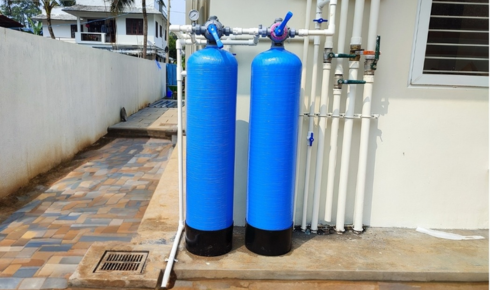
That is why homeowners often look at whole home filtration when the issue is not limited to drinking water. A properly selected system treats water as it enters the house, giving every fixture and appliance a better starting point. It is not about making things complicated. It is about solving the problem closer to the source.
Testing Before Choosing a System
One mistake people make is buying a filter based only on a symptom. Cloudy water? Buy a filter. Bad taste? Buy another one. Rust stains? Try something else. This trial-and-error approach can get frustrating fast, especially when the real cause is not what you thought.
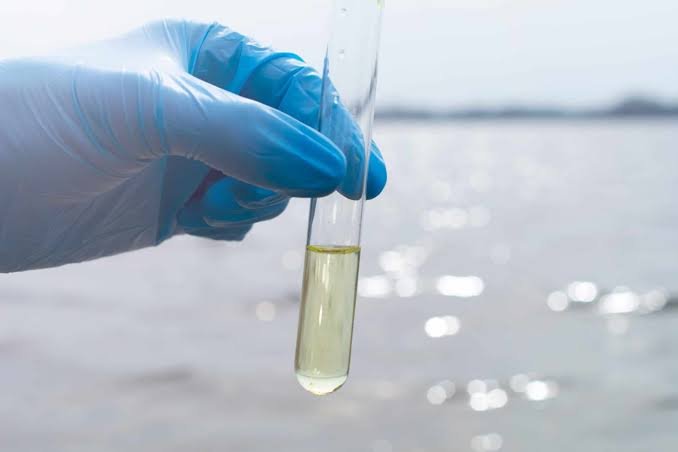
Water testing gives you useful answers. It can show whether you are dealing with sediment, hardness, iron, manganese, pH imbalance, chlorine, sulfur odor, or other concerns. Once you know what is actually present, choosing a system becomes much easier. You are no longer guessing from a product label or hoping the cheapest option will work.
Related reading: Why the Right Water Filtration System Can Transform Your Home More Than You Expect
Better Water Makes the Home Easier to Live In
When water quality improves, the change may not feel dramatic at first. It is more like daily life gets smoother. Faucets stay cleaner. Appliances face less buildup. Laundry feels fresher. Showers feel better. Glasses look clearer coming out of the dishwasher. You stop thinking about the water because it finally behaves the way it should.
That is the quiet benefit of treating water properly. It removes little frustrations from the home. Not all of them, of course — water cannot fix a busy morning or a sink full of dishes — but it can make the routines around those things a bit less annoying.
A Practical Step Toward a Healthier Home
Water problems are easy to delay because they often seem minor. A little grit here, a cloudy glass there, a clogged aerator now and then. But those small signs are worth listening to. They may be telling you that your home’s water needs attention before bigger problems show up.
Related reading: Why More Homeowners Are Investing in Better Water at Home
The best first step is simple: test the water, understand what is in it, and choose a solution that matches the real issue. Good water should not feel mysterious or questionable. It should be clean, dependable, and ready whenever you turn on the tap.