Why Your Tap Water Might Be Good—But Still Not Quite Right
There’s a quiet assumption most of us carry: if water comes from the tap, it must be fine. Safe, at least. And in many cases, that’s true. But “safe” doesn’t…
 PublishArena / Feature
There’s a quiet assumption most of us carry: if water comes from the tap, it must be fine. Safe, at least. And in many cases, that’s true. But “safe” doesn’t always mean comfortable, or pleasant, or ideal for everyday living. It’s a subtle distinction,…
What this feature establishes
- 01
There’s a quiet assumption most of us carry: if water comes from the tap, it must be fine.
- 02
But “safe” doesn’t always mean comfortable, or pleasant, or ideal for everyday living.
- 03
It’s a subtle distinction, the kind you only notice after living with your water long enough to pick up on its quirks.
There’s a quiet assumption most of us carry: if water comes from the tap, it must be fine. Safe, at least. And in many cases, that’s true. But “safe” doesn’t always mean comfortable, or pleasant, or ideal for everyday living.
It’s a subtle distinction, the kind you only notice after living with your water long enough to pick up on its quirks. A slightly sharp taste here, a bit of dryness on your skin there. Nothing alarming, just… not quite right.
And once you start noticing, you can’t really unsee it.
The Trust We Place in the System
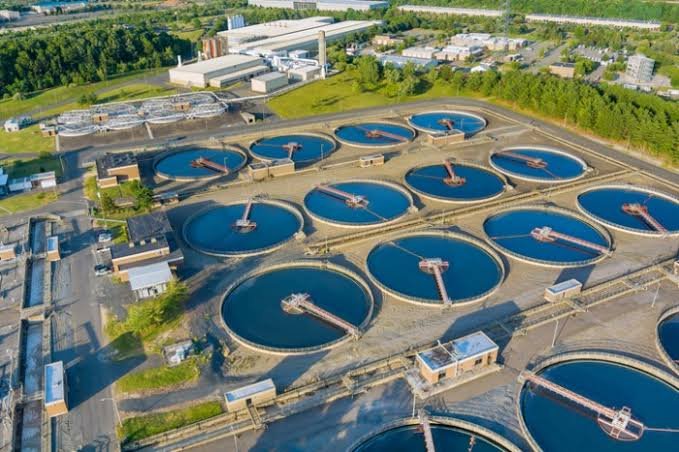
For homes connected to city water, there’s a built-in sense of reassurance. It’s treated, regulated, monitored. There’s a system behind it, and that system is designed to protect public health.
But here’s the thing—by the time water travels through miles of pipes and reaches your home, it can pick up characteristics that weren’t part of the original plan. Maybe it’s residual chemicals, maybe it’s something from older plumbing infrastructure.
Related reading: Why Better Water at Home Is About More Than Just What Comes Out of the Tap
It doesn’t mean the system has failed. It just means the journey matters.
And sometimes, what arrives at your tap could use a bit of refinement.
When Clean Isn’t the Same as Comfortable
Water can be technically safe and still feel… off. That’s a tricky idea to explain, but most people recognize it when they experience it.
Maybe it’s the taste of your morning tea. Maybe it’s how your skin feels after a shower. These aren’t health concerns, necessarily, but they affect how you interact with water every day.
That’s where solutions like uv systems come into play. They’re designed to target microorganisms without altering the taste or adding chemicals. It’s a quiet, behind-the-scenes approach—no dramatic changes, just an added layer of confidence.
Related reading: Finding the Right Water Treatment Solution for Your Home Starts with Knowing Your Water
You won’t see it working. But you’ll feel the difference in how easily you trust your water again.
The Everyday Frustration of Hard Water
Then there’s the issue that tends to show up physically—on your taps, your glassware, your appliances.
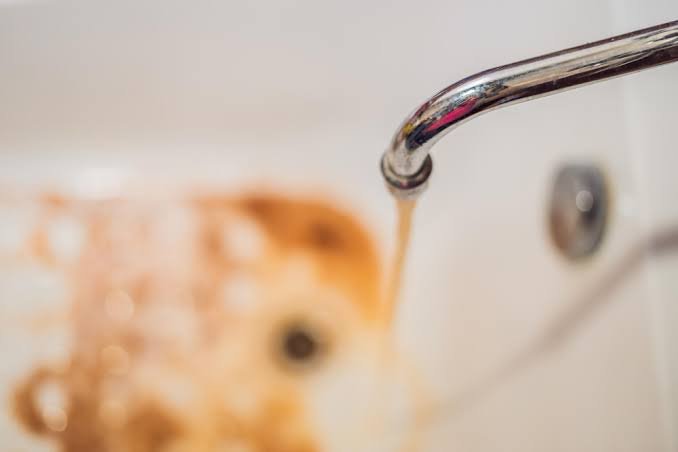
Hard water is one of those things you might not think about until it becomes inconvenient. Soap doesn’t lather well. Dishes come out with spots. Your bathroom fixtures start to look worn before their time.
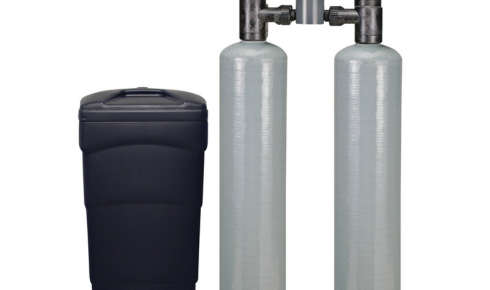
This is where water softeners step in, not as a luxury but as a practical adjustment. They reduce the mineral content that causes those everyday annoyances, making water behave the way you expect it to.
It’s one of those changes you don’t fully appreciate until you experience it—and then suddenly, it feels essential.
Related reading: Why the Right Water Filtration System Can Transform Your Home More Than You Expect
The Small Improvements That Add Up
What’s interesting about improving your water isn’t the big, dramatic transformation people often expect. It’s the small, consistent upgrades.
Your coffee tastes better. Your laundry feels softer. Cleaning takes less effort. None of these things are life-changing on their own, but together, they create a noticeable shift in comfort.
And perhaps the biggest change? You stop thinking about your water. It fades back into the background, doing its job without drawing attention.
Finding What Works Without Getting Overwhelmed
Let’s be honest—if you start researching water solutions, it can feel like a rabbit hole. Different systems, different technologies, endless comparisons.
But it doesn’t have to be that complicated.
Related reading: The Hidden Journey of Your Tap Water and Why It Matters More Than You Think
Start with your experience. What are you noticing? Taste issues? Hardness? Something else entirely?
From there, you can narrow down what actually makes sense for your home. You don’t need everything. Just the right thing.
A Shift in How You See Water
Once you’ve made a few changes—or even just started paying attention—you begin to see water differently.
It’s no longer something you take for granted. It’s something you understand, even if only a little. You recognize its impact, not just on health, but on comfort, convenience, and daily life.
And that awareness naturally leads to better decisions over time.
Related reading: Good Water System Care Pays Off in Quiet, Everyday Ways
A Thought Worth Holding On To
Water is one of those constants that quietly supports everything we do. It doesn’t demand attention, and most of the time, it doesn’t need to.
But every now and then, it’s worth taking a closer look.
Not because something is wrong. Just because there’s an opportunity to make something good… a little better.
And when you do, the results don’t shout.
They show up in quiet, everyday moments—where things just feel easier, smoother, and a bit more right than before.