
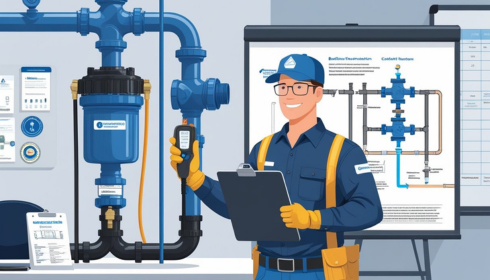
Most people think about plumbing only when something stops working. A leaking faucet gets attention. A clogged drain definitely gets attention. No hot water during winter? That suddenly becomes everyone’s top priority.
But some of the most important plumbing systems in a property are the ones nobody notices when they’re functioning correctly. They sit quietly in the background doing their job every day without demanding much attention at all.
Backflow prevention is one of those systems.
Honestly, many homeowners and even some business owners don’t fully understand what it does until they receive a notice about inspections, testing, or certification requirements. And at first glance, it can sound like unnecessary bureaucracy. But once you understand the purpose behind it, the bigger picture starts making sense pretty quickly.
Clean Water Depends on Hidden Systems
Most of us assume clean water will simply arrive every time we turn on the tap. That reliability feels automatic because modern plumbing systems usually work so well we barely think about them.
But plumbing safety involves much more than pipes carrying water into a building. There are hidden safeguards designed specifically to keep contaminated water from flowing backward into clean supply lines.
Pressure changes inside municipal systems or private plumbing networks can occasionally cause water to reverse direction unexpectedly. Without proper prevention devices installed, that reversal could allow fertilizers, chemicals, dirty water, or other contaminants to enter clean water supplies.
That’s why systems requiring backflow certification exist in the first place. Certification helps confirm prevention devices are functioning properly and continuing to protect water supplies the way they were designed to.
The interesting thing is that when these systems work correctly, nobody notices them at all. Which, honestly, is exactly the point.
Most Property Owners Learn About Backflow Late
I remember talking to a small business owner who received a city notice requiring annual backflow testing for the first time. His reaction was basically, “Wait… I need to certify what now?”
And honestly, that confusion is common.
Most people don’t spend much time thinking about irrigation systems, commercial plumbing connections, fire suppression lines, or pressure changes inside municipal water systems. They simply expect safe water to arrive consistently every day.
The challenge is that plumbing safety often depends on systems hidden underground, behind walls, or tucked away outside near irrigation controls where nobody pays much attention.
Out of sight usually means out of mind.
Compliance Isn’t Just About Rules
The word compliance tends to make people immediately think about paperwork and inspections nobody wants to deal with. But in plumbing, compliance requirements usually exist because something important is being protected.
Proper plumbing compliance helps ensure water systems meet safety standards designed to prevent contamination risks before they happen. That includes testing prevention devices, maintaining safe system connections, and identifying aging components before they fail unexpectedly.
For commercial buildings especially, the stakes become even higher because larger systems often connect to irrigation equipment, boilers, chemical systems, or industrial processes capable of affecting broader water supplies if backflow occurs.
And honestly, once you think about how many people rely on shared municipal water systems every day, those regulations feel a lot more reasonable.
Small Devices Quietly Protect Entire Systems
One thing that fascinates me about plumbing safety is how much responsibility often falls on relatively small pieces of equipment.
Backflow preventers aren’t huge dramatic machines. Most homeowners wouldn’t even recognize one immediately if they walked past it. Yet these devices quietly help stop contaminated water from entering clean supply systems under certain pressure conditions.
That’s a pretty important job for something people barely notice.
A plumber once told me the best plumbing systems are the ones nobody ever thinks about because they’re doing their job properly in the background. Honestly, that idea applies perfectly here.
Water Protection Is About Prevention, Not Panic
People sometimes misunderstand backflow systems because contamination events themselves are relatively uncommon. They assume the low frequency means the risk doesn’t really matter.
But the goal of water protection isn’t reacting after contamination happens. It’s preventing dangerous situations before they occur at all.
That difference matters.
Most safety systems in modern infrastructure work quietly through prevention. Seatbelts. Smoke detectors. Electrical grounding. We don’t judge them based on how often disasters happen — we value them because they reduce risk consistently over time.
Backflow prevention works the same way.
Why Regular Testing Matters
Mechanical systems wear down eventually. Valves weaken. Seals deteriorate. Mineral buildup affects moving parts over time. Even equipment that looks fine externally may not function correctly under pressure during actual backflow conditions.
That’s why routine testing exists.
Certified professionals use specialized equipment to verify prevention assemblies are working properly and meeting local safety standards. If problems appear, repairs or replacements can happen before contamination risks develop.
And honestly, preventative testing is almost always less stressful than dealing with emergency water concerns later.
Homeowners and Businesses Share Responsibility
One thing people don’t always realize is that water safety relies on cooperation between municipalities, property owners, inspectors, and licensed plumbing professionals. Clean water doesn’t stay safe automatically forever without ongoing maintenance and oversight.
Every properly functioning prevention device contributes to the reliability of the larger system overall.
That’s especially important in growing communities where aging infrastructure, irrigation systems, commercial developments, and changing water demands place increasing pressure on plumbing networks.
Final Thoughts
Backflow certification and plumbing compliance may not sound exciting on paper, but they play an important role in protecting the clean water people rely on every single day.
Like many of the best safety systems, their success comes from preventing problems quietly before anyone notices danger developing in the first place.
And honestly, there’s something reassuring about knowing invisible protections are working behind the scenes every time someone turns on the faucet expecting safe, reliable water to flow out normally.

