What Experience and Modern Water Treatment Can Bring to Your Home
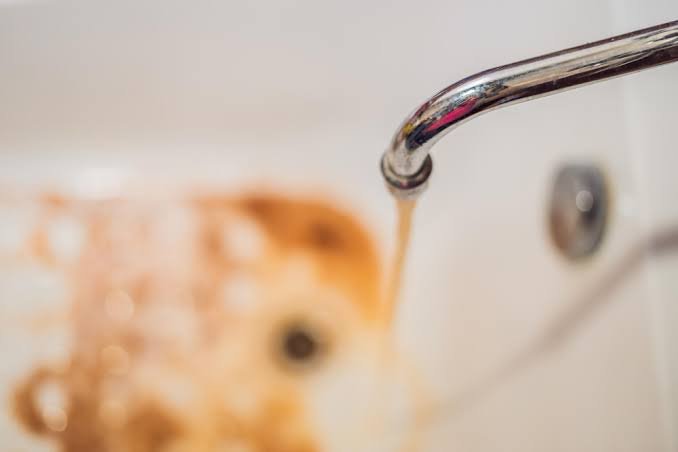
Water treatment isn’t usually something homeowners think about until there’s a problem. A strange taste, mineral buildup around the faucet, stubborn spots on dishes, or water that simply doesn’t feel…
 PublishArena / Feature
Water treatment isn’t usually something homeowners think about until there’s a problem. A strange taste, mineral buildup around the faucet, stubborn spots on dishes, or water that simply doesn’t feel right can suddenly make an ordinary household task surprisingly frustrating. And that’s when experience…
What this feature establishes
- 01
Water treatment isn't usually something homeowners think about until there's a problem.
- 02
A strange taste, mineral buildup around the faucet, stubborn spots on dishes, or water that simply doesn't feel right can suddenly make an ordinary household task surprisingly frustrating.
- 03
Finding the right treatment isn't only about choosing a machine from a catalog.
Water treatment isn’t usually something homeowners think about until there’s a problem. A strange taste, mineral buildup around the faucet, stubborn spots on dishes, or water that simply doesn’t feel right can suddenly make an ordinary household task surprisingly frustrating.
And that’s when experience matters.
Finding the right treatment isn’t only about choosing a machine from a catalog. It means understanding the water, listening to the homeowner, looking at the property’s needs, and knowing how different systems behave over time. A company with 50 years of experience has usually seen plenty of situations that don’t fit neatly into a product brochure.
That kind of practical knowledge can be valuable.
Experience Teaches You to Look Beyond the Obvious
Water-quality problems aren’t always straightforward.
A homeowner may think hard water is responsible for everything because there are white spots on the shower door. But the property could also have sediment, iron, an unusual pH level, or another water-quality concern.
Experience helps technicians ask better questions.
When did the problem start? Does it affect hot and cold water? Is it present at every faucet? Has anything changed with the plumbing or water source?
Those details may seem minor, but they can help narrow down what is actually happening.
Related reading: Finding the Right Water Treatment Solution for Your Home Starts with Knowing Your Water
Why Water Testing Comes First
Before recommending treatment equipment, testing the water is often a smart first step.
A water test can provide information about hardness, pH, minerals, iron, sediment, and other characteristics. The exact testing needed depends on the water source and the concerns being investigated.
This approach is much more useful than guessing.
If hardness is the main issue, a water softener might be appropriate. If taste and odor are the concern, filtration may be more suitable. Another condition could require a completely different treatment method.
Good water treatment begins with knowing what you’re treating.
The Personal Side of a Family Business
There’s something different about working with a family-owned company. Often, reputation isn’t just a marketing phrase. It’s something built slowly through relationships with customers, neighbors, and the local community.
A family business may have generations of knowledge behind its approach. One technician may have learned from a parent or relative who worked in the same field years earlier.
That history can create a strong sense of accountability.
When a company expects to serve customers for many years, it has a reason to care about doing the job properly—not just completing today’s installation and moving on.
Related reading: Why the Right Water Filtration System Can Transform Your Home More Than You Expect
Of course, every company should be judged by its actual work, communication, and professionalism. But longevity can certainly be a useful factor when comparing providers.
Technology Has Changed the Industry
Experience doesn’t mean doing everything the old-fashioned way.
Water treatment has evolved significantly, with modern equipment offering improved controls, monitoring capabilities, efficiency, and treatment options. Today’s systems can be more precise and convenient than many older models.
The use of advanced technology can help treatment equipment operate more efficiently while giving homeowners better control over their systems.
But technology should have a purpose.
A complicated control panel isn’t automatically better than a simple one. The real question is whether the equipment addresses your water conditions and makes sense for your household.
Matching Equipment to the Home
Every property has different requirements.
Household size, water consumption, hardness levels, plumbing layout, water source, and available installation space can all influence which treatment system is appropriate.
A system that’s perfect for a two-person household may not be the best option for a family of six.
Related reading: Choosing the Right Water Treatment Help Starts With Knowing What You Need
That’s why proper sizing matters.
If equipment is too small, it may struggle during periods of heavy demand. If it’s much larger than necessary, the homeowner may spend extra money without receiving meaningful benefits.
A thoughtful assessment can help avoid both problems.
Water Softeners and Filtration Do Different Jobs
It’s easy to lump all water treatment equipment together, but different systems are designed for different purposes.
Water softeners primarily address hardness minerals such as calcium and magnesium. Filtration systems may target sediment, chlorine, taste, odor, or other substances depending on the technology.
Some homes may benefit from combining treatments.
For example, a softener could handle hardness throughout the house while a separate drinking-water system provides additional treatment at the kitchen faucet.
The best setup isn’t necessarily the most complicated one. It’s the one where each component has a clear reason for being there.
Installation Is Part of the Solution
Even excellent equipment can disappoint if it’s installed poorly.
Related reading: Why Better Water at Home Is About More Than Just What Comes Out of the Tap
Correct installation involves more than connecting a few pipes. The equipment needs to be properly positioned, sized, configured, and connected to the home’s plumbing and drainage system as required.
Accessibility matters, too.
A system tucked into an impossibly tight corner may technically work, but future maintenance could become a real pain.
Professional installation should consider both today’s operation and tomorrow’s service needs.
Maintenance Keeps Good Equipment Working
No water treatment system should be considered completely maintenance-free.
Filters need replacement. Salt levels may need monitoring. Components can wear over time. Settings sometimes need adjustment as household water usage changes.
Homeowners should watch for warning signs such as leaks, unusual noises, changes in water pressure, mineral deposits returning, or noticeable changes in taste and odor.
Don’t wait until the system completely stops working.
Small problems are generally easier to diagnose and address than major failures.
Related reading: Why Better Water Begins with Understanding What’s Flowing Through Your Home
Local Knowledge Can Be Useful
Water conditions can vary by region, neighborhood, and even property.
A company familiar with the local area may have experience with common water-quality concerns, local plumbing configurations, and the types of treatment systems that work well in nearby homes.
That doesn’t replace testing or proper diagnosis, but local experience can be another useful piece of the puzzle.
A knowledgeable technician can combine test results with practical experience instead of relying solely on generic recommendations.
Ask Questions Before You Commit
Buying water treatment equipment is an investment, so homeowners shouldn’t feel awkward about asking questions.
What exactly does the system treat? What doesn’t it treat? How often do filters need replacing? How much maintenance is expected? What happens if something breaks? Is the system properly sized for the household?
A trustworthy provider should be willing to explain these things clearly.
Be cautious of anyone who makes huge promises without first looking at your water conditions.
The Best Combination Is Experience and Progress
Modern water treatment doesn’t have to choose between old-fashioned experience and new technology.
The strongest approach combines both.
Experience helps professionals recognize problems, understand customer needs, and avoid unnecessary solutions. Modern equipment provides new ways to improve efficiency, convenience, and performance.
For homeowners, that combination can mean better decisions and fewer surprises.
Ultimately, good water treatment isn’t about having the fanciest equipment in the utility room. It’s about having a system that fits your home, addresses your actual water conditions, and continues working reliably with proper care.
When knowledgeable people, practical experience, and useful technology come together, the result is refreshingly simple: water that works better for everyday life—and a homeowner who doesn’t have to worry about what’s happening every time the faucet turns on.