Choosing the Right Water Treatment Help Starts With Knowing What You Need
Water is easy to take for granted. It comes out of the tap, fills the kettle, runs through the washing machine, and disappears down the drain. Most days, nobody gives…
 PublishArena / Feature
Water is easy to take for granted. It comes out of the tap, fills the kettle, runs through the washing machine, and disappears down the drain. Most days, nobody gives it a second thought. Then the showerhead starts collecting scale. Or the glassware comes…
What this feature establishes
- 01
It comes out of the tap, fills the kettle, runs through the washing machine, and disappears down the drain.
- 02
Most days, nobody gives it a second thought.
- 03
Maybe the water tastes slightly different, or there's an odd smell that wasn't there a few months ago.
Water is easy to take for granted. It comes out of the tap, fills the kettle, runs through the washing machine, and disappears down the drain. Most days, nobody gives it a second thought.
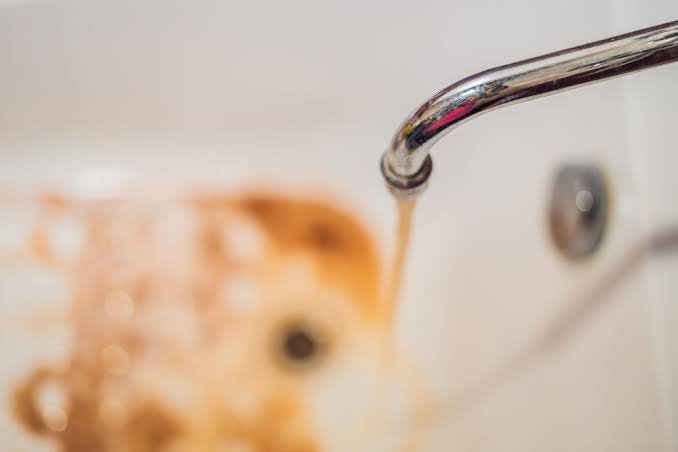
Then the showerhead starts collecting scale.
Or the glassware comes out spotted. Maybe the water tastes slightly different, or there’s an odd smell that wasn’t there a few months ago. Those little changes can make you wonder whether something has gone wrong with the water itself.
Usually, the answer isn’t as dramatic as it first feels. But it is worth investigating.
Good water treatment begins with understanding the problem rather than immediately buying equipment. The right approach depends on the water source, the home’s plumbing, the household’s habits, and what the homeowner actually wants to improve.
Start With the Source
The first question is surprisingly simple: where does your water come from?
Municipal water and private wells can have very different characteristics. Public supplies are generally treated before distribution, while well owners are responsible for monitoring and maintaining their own source.
Neither situation guarantees perfect water.
Municipal water can have chlorine-related taste or hardness concerns. Well water may contain naturally occurring minerals, sediment, iron, or other substances depending on local geology and environmental conditions.
Knowing the source gives you a starting point for testing and troubleshooting.
Testing Is More Useful Than Guessing
A water test can tell you things your eyes can’t.
Related reading: Finding the Right Water Treatment Solution for Your Home Starts with Knowing Your Water
Clear water can still contain dissolved minerals or other substances that affect taste, plumbing, or appliances. Likewise, cloudy water isn’t automatically unsafe; sometimes harmless air bubbles are responsible.
Testing can help identify hardness, iron, pH, chlorine-related concerns, sediment, and other characteristics depending on the type of analysis.
This information matters because treatment equipment is designed for specific jobs.
A softener isn’t a universal filter. A carbon filter doesn’t address every dissolved contaminant. Reverse osmosis isn’t necessarily needed for every household.
The more you know about the water, the easier it becomes to choose wisely.
What a Water Treatment Business Should Actually Do
A good water treatment business shouldn’t begin the conversation with a product catalogue.
It should begin with questions.
What are you noticing? Is the problem taste, odor, scale, staining, sediment, or something else? Do you use municipal water or a private well? How many people live in the home? Are there appliances or fixtures that seem to be affected?
Those questions help create a clearer picture.
A trustworthy provider should then explain the treatment options in plain language. If you don’t understand why a particular system is being recommended, ask. A professional should be comfortable explaining it.
You shouldn’t need a chemistry degree to make an informed decision about your own water.
Related reading: Why the Right Water Filtration System Can Transform Your Home More Than You Expect
Hard Water Is Common, But It Isn’t Always the Same
Hard water contains minerals, primarily calcium and magnesium.
For some households, the signs are obvious. White deposits appear around faucets. Shower doors become difficult to keep clean. Soap doesn’t seem to rinse as easily. Water heaters and other appliances may develop scale over time.
But hardness varies considerably.
That’s why equipment should be sized based on actual water conditions and household demand rather than simply buying the largest available system.
Too little capacity can lead to performance problems. Too much can mean unnecessary expense.
Professional Treatment Is About Fit
The phrase professional water treatment should mean more than simply having someone install a machine.
It should involve testing, proper sizing, suitable equipment, correct installation, and ongoing support.
Think of it like fitting a pair of shoes. A high-quality shoe that doesn’t fit is still a bad choice. Water treatment works similarly.
The equipment can be excellent, but if it’s designed for a different water profile or incorrectly sized for the household, the results may disappoint.
A professional assessment helps reduce that risk.
Not Every Water Problem Needs a Whole-House System
This is another area where homeowners sometimes overspend.
Related reading: What to Look for When Choosing a Reliable Water Filtration System
If the main concern is drinking-water taste, a point-of-use filter at the kitchen sink may be sufficient. If hard water is causing scale throughout the home, a whole-house softener could make more sense.
Some homes may benefit from a combination of technologies.
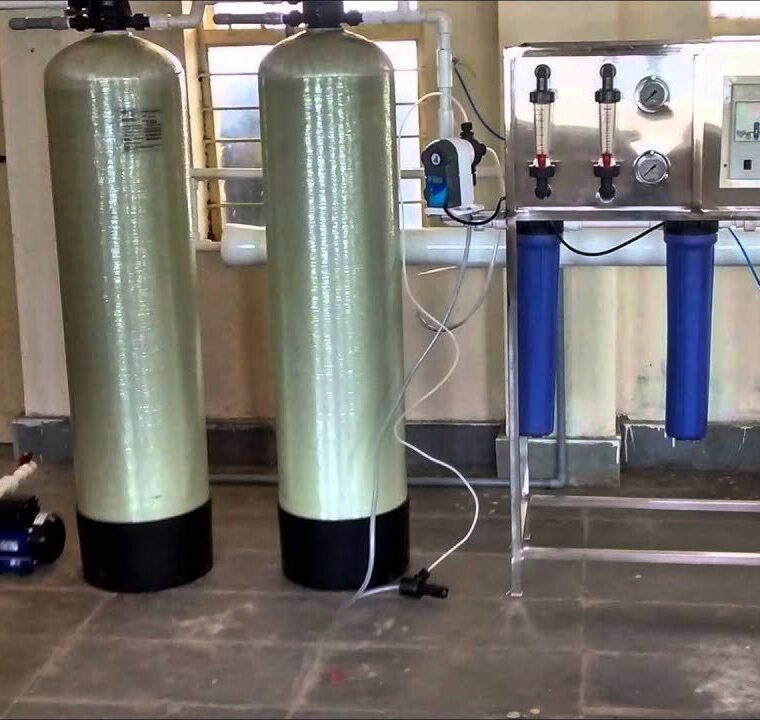
For example, a sediment pre-filter can protect downstream equipment, while carbon filtration addresses certain tastes and odors. A softener can then handle hardness.
The best configuration depends on the water test and the goals of the homeowner.
Water Quality Means Different Things to Different People
For some people, water quality means great-tasting drinking water.
For others, it means no orange staining around the bathroom fixtures. Someone else may care most about protecting a water heater from scale.
All of those concerns are valid.
Instead of treating “quality” as one single measurement, think about what you want your water to do.
Should it taste better? Should it leave fewer deposits? Should it protect appliances? Should certain contaminants be reduced?
Clear goals make it much easier to evaluate treatment options.
Installation Shouldn’t Be an Afterthought
Once you’ve chosen a system, installation matters.
Related reading: What Experience and Modern Water Treatment Can Bring to Your Home
Water treatment equipment needs to fit into the existing plumbing and have the appropriate connections for drainage, bypass, and service.
Flow rate is important, too. A system may work well under normal conditions but struggle if several fixtures are being used simultaneously.
Professional installation can help ensure the system is configured correctly and operating as intended.
It’s also an opportunity to identify plumbing conditions that could affect performance.
Maintenance Is Part of Owning the System
There’s no such thing as completely maintenance-free water treatment.
Filters need replacing. Softener salt needs replenishing. Some systems require periodic sanitation or inspection. Mechanical components eventually wear.
The good news is that most routine maintenance is predictable.
Ask for a maintenance schedule when the system is installed. Keep records of filter changes and service visits. If water taste, pressure, or appearance changes suddenly, investigate instead of waiting.
A small amount of attention can extend equipment life and maintain performance.
Think About Operating Costs, Not Just Purchase Price
A treatment system has costs beyond installation.
Replacement filters, salt, water used during regeneration, service, electricity, and eventual component replacement all contribute to the long-term expense.
Related reading: The Hidden Journey of Your Tap Water and Why It Matters More Than You Think
When comparing systems, look at several years of ownership rather than only the initial quote.
Sometimes the cheapest system isn’t the most economical one.
Likewise, the most expensive system isn’t automatically the best.
The goal is value—reliable performance for a reasonable total cost.
Good Water Treatment Should Feel Ordinary
There’s a funny thing about good water treatment: when it’s working properly, you don’t think about it much.
The water tastes fine. The showerhead isn’t covered in scale. The faucet looks cleaner. The water heater isn’t dealing with unnecessary mineral buildup.
That’s really the goal.
You don’t need a complicated system just to say you have one. You need treatment that addresses the actual conditions in your home.
So start with the basics. Test the water. Understand the source. Identify the problem. Ask questions. Compare long-term costs. Choose equipment that fits.
And work with a provider willing to explain the reasoning instead of simply telling you what to buy.
Good water isn’t about having the most technology in the house. It’s about having the right solution quietly doing its job every day.