Why Smart Water Technology Is Becoming a Quiet Essential in Modern Homes
Most homeowners don’t spend much time thinking about their plumbing system until something goes wrong. And honestly, that’s understandable. Pipes are hidden behind walls, under floors, and above ceilings doing…
Most homeowners don’t spend much time thinking about their plumbing system until something goes wrong. And honestly, that’s understandable. Pipes are hidden behind walls, under floors, and above ceilings doing their job silently every day. You turn on the tap, water appears, life continues.…
What this feature establishes
- 01
Most homeowners don’t spend much time thinking about their plumbing system until something goes wrong.
- 02
Pipes are hidden behind walls, under floors, and above ceilings doing their job silently every day.
- 03
You turn on the tap, water appears, life continues.
Most homeowners don’t spend much time thinking about their plumbing system until something goes wrong. And honestly, that’s understandable. Pipes are hidden behind walls, under floors, and above ceilings doing their job silently every day. You turn on the tap, water appears, life continues.
Until one small leak changes the entire mood of the house.
A cracked supply line behind the washing machine. A pipe slowly dripping inside a wall. A water heater deciding to fail while nobody’s home for the weekend. Water damage has a nasty habit of turning ordinary days into expensive repair projects with very little warning.
That’s probably why more homeowners are becoming interested in smart plumbing technology lately. Not because it feels futuristic or trendy, but because preventing disasters quietly sounds a lot more appealing than cleaning up after them.
Water Problems Rarely Start Dramatically
Movies always show burst pipes exploding everywhere like indoor waterfalls. Real life is usually less dramatic at first — which honestly makes it worse sometimes.
Most leaks begin quietly. A slow drip under the sink. Moisture collecting behind drywall. A tiny crack in an appliance hose nobody checks regularly. By the time visible damage appears, water may have already spread through flooring, insulation, or cabinetry.
Related reading: What Experience and Modern Water Treatment Can Bring to Your Home
One homeowner I spoke with discovered a leak only after noticing her hardwood floors felt strangely soft near the laundry room. A pipe connection had been dripping behind the wall for weeks without anyone realizing it.
She kept repeating the same thing afterward: “I wish I’d known sooner.”
That’s the common thread with water damage. Timing matters more than people realize.
Homes Are Becoming Smarter About Prevention
Over the last decade, smart technology expanded into almost every part of home life. Thermostats adjust automatically. Security cameras send alerts directly to phones. Doorbells practically introduce visitors before they knock.
Now water management is quietly joining that list too.
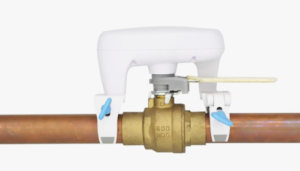
A modern smart water system can monitor water flow, detect unusual usage patterns, and notify homeowners if something feels off. Some setups even identify leaks before visible signs appear by recognizing continuous water movement where there shouldn’t be any.
Related reading: Good Water System Care Pays Off in Quiet, Everyday Ways
At first, that might sound overly technical.
But once you’ve heard enough stories about flooded kitchens and ruined flooring, it starts feeling surprisingly practical instead.
Plumbing Protection Isn’t Just About Pipes
One interesting shift happening lately is that homeowners are starting to think about plumbing protection less as maintenance and more as overall home protection.
Because honestly, plumbing failures rarely stay limited to plumbing alone.
Water affects flooring, drywall, insulation, furniture, electronics, and even indoor air quality if moisture leads to mold growth. A relatively small leak can quickly become a much larger restoration project involving multiple contractors and weeks of disruption.
A plumber once told me something that stuck in my head: “Water always finds somewhere to go.”
Related reading: The Quiet Signs Your Home’s Water System May Need Attention
Simple sentence. Very true.
That’s partly why preventative systems matter so much. Catching problems early changes everything.
Monitoring Water Use Can Reveal Hidden Problems
One surprisingly useful feature in newer systems is detailed water tracking. Homeowners can monitor daily consumption and notice unusual spikes or continuous flow that might indicate hidden leaks somewhere in the house.
This kind of water control helps homeowners spot problems that would otherwise remain invisible for weeks or months. Sometimes it’s something simple, like a running toilet quietly wasting water overnight. Other times it reveals larger plumbing issues before serious damage occurs.
And honestly, people often become more mindful of waste once they actually see their household water usage in real time.
One family I know discovered their irrigation system was using far more water than expected simply because a valve had been malfunctioning quietly for months. They probably never would’ve noticed without usage tracking.
Related reading: The Quiet Ways Water Quality Shapes Life at Home
Older Homes Benefit the Most
While any house can experience plumbing issues, older homes often benefit most from smart monitoring technology because aging systems become harder to predict over time.
Pipes corrode internally. Fittings loosen slowly. Appliance hoses weaken after years of pressure changes and temperature fluctuations. The frustrating part is that most of this happens completely out of sight.
That uncertainty creates stress for a lot of homeowners, especially when leaving town for vacations or work trips.
Smart systems don’t eliminate every risk, of course. But they provide earlier warnings and more visibility into what’s happening behind the scenes. Sometimes that’s enough to prevent a minor issue from turning into a catastrophic repair bill.
Peace of Mind Is a Bigger Benefit Than Expected
One thing homeowners mention repeatedly after installing monitoring systems is how much calmer they feel afterward.
Leaving home becomes less stressful. Freezing winter nights feel less nerve-racking. Long weekends away don’t come with the same lingering worry about returning to unexpected flooding.
Related reading: The Day You Notice Your Water: A Quiet Shift That Changes How Your Home Feels
That emotional benefit is hard to measure, but it’s real.
Homes already come with enough unpredictable maintenance surprises. Roof repairs happen. Appliances fail. HVAC systems break at the worst possible time. Reducing avoidable plumbing risks simply removes one major source of anxiety from the equation.
And honestly, that’s valuable.
The Best Home Technology Often Works Quietly
The interesting thing about smart plumbing systems is that homeowners rarely think about them once they’re installed — which is probably the ideal outcome.
You don’t want constant notifications or complicated controls. You simply want the system working quietly in the background, ready to alert you if something unusual happens.
Kind of like smoke detectors or security systems. Their value isn’t in daily interaction. It’s in preventing much larger problems later.
And maybe that reflects a broader shift happening in modern homes overall. People are becoming more interested in practical upgrades that protect comfort and reduce stress rather than only focusing on cosmetic renovations.
Because at the end of the day, most homeowners would rather stop a leak early than spend months rebuilding after one they never saw coming.