The Infrastructure We Depend on Every Day Without Realizing It
Most people don’t spend much time thinking about the systems hidden beneath streets, behind walls, or underneath buildings. And honestly, that’s probably a sign those systems are working the way…
Most people don’t spend much time thinking about the systems hidden beneath streets, behind walls, or underneath buildings. And honestly, that’s probably a sign those systems are working the way they’re supposed to. Water flows when you turn the tap. Drains clear quietly. Buildings…
What this feature establishes
- 01
Most people don’t spend much time thinking about the systems hidden beneath streets, behind walls, or underneath buildings.
- 02
And honestly, that’s probably a sign those systems are working the way they’re supposed to.
- 03
Life moves along without interruption because countless hidden systems are doing their job in the background every single day.
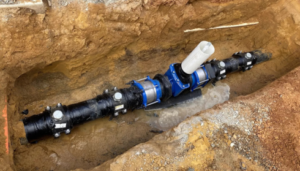
Most people don’t spend much time thinking about the systems hidden beneath streets, behind walls, or underneath buildings. And honestly, that’s probably a sign those systems are working the way they’re supposed to.
Water flows when you turn the tap. Drains clear quietly. Buildings stay functional. Businesses operate normally. Life moves along without interruption because countless hidden systems are doing their job in the background every single day.
But the moment something fails, people suddenly realize just how dependent modern life is on reliable infrastructure.
A burst pipe can shut down part of a building in minutes. A damaged underground line may interrupt water access for an entire block. One failed utility connection sometimes affects homes, businesses, traffic, and construction schedules all at once.
And what’s interesting is that infrastructure problems rarely begin dramatically. Most start quietly enough to ignore at first.
Small Warning Signs Usually Appear First
Infrastructure issues often introduce themselves subtly.
Maybe water pressure weakens slightly over time. Maybe drainage feels slower after heavy rain. Sometimes utility bills creep upward without obvious explanation. In larger commercial areas, small disruptions may initially seem like temporary inconveniences rather than deeper system problems.
I remember hearing about a retail plaza where employees kept noticing minor fluctuations in water pressure throughout the week. Nobody treated it as urgent because the system still “mostly worked.” Months later, contractors discovered an underground line had been leaking slowly beneath part of the parking area the entire time.
By then, soil instability had created additional structural concerns well beyond the original plumbing issue.
That’s the frustrating thing about hidden infrastructure — visible symptoms usually appear long after the actual problem begins.
Modern Life Depends on Complex Utility Networks
People often think about utilities individually. Water. Electricity. Drainage. Gas. But in reality, modern utility systems are deeply interconnected.
Commercial buildings, neighborhoods, hospitals, warehouses, and schools all rely on overlapping networks functioning together continuously behind the scenes. Plumbing affects drainage. Drainage influences structural stability. Electrical systems depend on dry environments. Water pressure impacts daily operations across multiple industries.
And honestly, the larger the property or city becomes, the more complicated those relationships get.
Infrastructure failures don’t just create inconvenience anymore. They affect business continuity, sanitation, transportation, communication, and public safety simultaneously.
That’s why infrastructure planning matters so much during development projects. Good coordination early on prevents enormous complications later.
Water Infrastructure Carries More Responsibility Than People Realize
Reliable water infrastructure quietly supports nearly every part of modern life. Homes need clean water access daily. Businesses depend on sanitation and operational water use. Industrial facilities require stable supply systems to maintain production and safety standards.
And while most people only think about water when they use it directly, entire communities rely on complex underground networks operating continuously without interruption.
Pipelines, treatment systems, pumps, valves, storage facilities, and drainage routes all work together constantly in the background.
The difficult part is that much of this infrastructure ages slowly over decades.
Older pipelines corrode internally. Soil shifts around underground systems. Increased population places heavier demand on aging networks. Weather conditions create additional stress over time. These problems don’t usually happen overnight, but eventually weaknesses begin appearing.
And because everything stays underground, many issues remain invisible until service disruptions finally occur.
Emergencies Never Happen at Convenient Times
Infrastructure problems have terrible timing.
A water main breaks during peak business hours. Drainage systems fail during storms. Utility outages happen right before important events or busy weekends. Somehow these situations always appear when disruption feels most stressful.
That’s why rapid emergency repair work becomes so important when critical systems fail unexpectedly.
The longer infrastructure problems continue, the more complicated the consequences often become. Water damage spreads quickly. Businesses lose operating time. Traffic disruptions increase. Public frustration builds fast.
I once saw a section of roadway temporarily closed because of a hidden underground leak that eventually caused pavement instability. Most drivers only experienced traffic delays, but underneath the surface an aging water line had been deteriorating quietly for quite some time.
That’s the thing about infrastructure failures. The visible problem is often only a small piece of the larger issue underneath.
Older Infrastructure Needs More Attention Than Ever
Many cities and commercial properties today rely on systems originally built decades ago. At the time, those systems may have been more than adequate. But modern demand has changed significantly.
Larger populations, heavier commercial activity, changing weather patterns, and increased water usage all place additional stress on aging infrastructure.
And unfortunately, aging systems usually deteriorate gradually enough that people adapt to small warning signs without recognizing how serious they’ve become.
Low pressure becomes “normal.” Slow drainage gets ignored. Small recurring leaks feel manageable.
Until eventually something major fails.
That’s why preventative maintenance and infrastructure upgrades matter more than people sometimes realize. Waiting for systems to collapse entirely often creates far greater disruption than planned repairs or modernization work.
Invisible Reliability Is Easy to Overlook
The strange thing about infrastructure is that people only notice it during failure.
Nobody compliments a functioning drainage line or celebrates a properly operating water main during normal days. Successful systems stay invisible most of the time.
But those hidden systems quietly shape comfort, safety, and convenience every single day.
Water arrives clean and consistently. Buildings remain operational. Streets stay functional. Businesses continue serving customers without interruption because countless underground systems keep working in the background without demanding attention.
And honestly, that invisible reliability is probably one of the most valuable things modern infrastructure provides.
Because once those systems stop working, even temporarily, people quickly realize how much of everyday life depended on them all along.