A Simpler Way to Improve Water Quality With Natural Filtration
Water treatment doesn’t always have to feel like a complicated engineering project. In fact, some of the most useful solutions are surprisingly straightforward. When homeowners understand what’s happening in their…
 PublishArena / Feature
Water treatment doesn’t always have to feel like a complicated engineering project. In fact, some of the most useful solutions are surprisingly straightforward. When homeowners understand what’s happening in their water and why a particular treatment method is needed, choosing the right equipment becomes…
What this feature establishes
- 01
Water treatment doesn't always have to feel like a complicated engineering project.
- 02
In fact, some of the most useful solutions are surprisingly straightforward.
- 03
When homeowners understand what's happening in their water and why a particular treatment method is needed, choosing the right equipment becomes much less intimidating.
Water treatment doesn’t always have to feel like a complicated engineering project. In fact, some of the most useful solutions are surprisingly straightforward. When homeowners understand what’s happening in their water and why a particular treatment method is needed, choosing the right equipment becomes much less intimidating.
For many households, the goal is practical rather than dramatic. They want water that is easier on plumbing, better tasting, less likely to leave stains, and more comfortable to use every day. Nobody wants to spend their Saturday afternoon thinking about filter tanks and water chemistry, after all.
One approach worth understanding is mineral-based neutralization, particularly when water chemistry needs a gentle correction. It can provide an effective solution while keeping the system relatively simple.
Why Water Chemistry Matters at Home
Water may look completely normal in a glass while still having characteristics that affect plumbing and fixtures. pH, hardness, alkalinity, iron, manganese, dissolved solids, and other factors all contribute to the way water behaves.
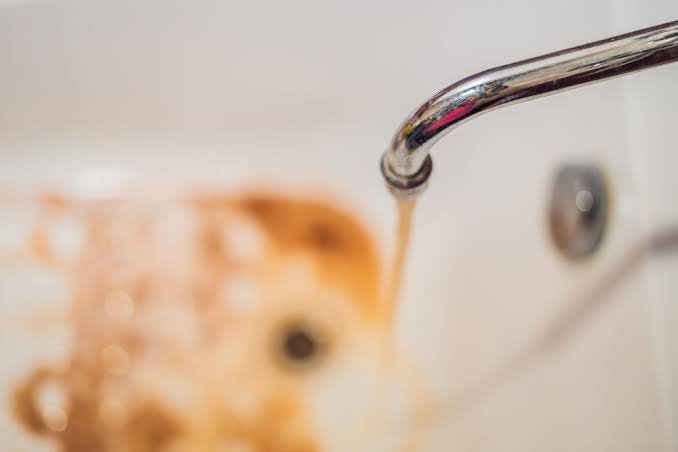
When water chemistry is outside a suitable range, homeowners may notice metallic tastes, discoloration around fixtures, corrosion, or other recurring problems. Sometimes the signs are obvious. Other times, they develop slowly enough that people simply assume their plumbing is getting old.
That assumption isn’t always correct.
Before investing in treatment equipment, water testing can help identify whether there is actually a chemistry-related concern. A good test gives you something concrete to work with rather than relying on symptoms alone.
Related reading: What to Look for When Choosing a Reliable Water Filtration System
The Appeal of Mineral-Based Treatment
When water needs pH adjustment, some treatment systems use naturally occurring mineral media as part of the process. These materials can interact with the water and help move its chemistry toward a more suitable range.
The choice of natural mineral media depends on the water’s characteristics. Calcite, for example, is commonly used in certain neutralization applications, but it isn’t automatically appropriate for every situation.
This is an important distinction. “Natural” doesn’t mean “universally suitable.” The effectiveness of any treatment media depends on factors such as acidity, alkalinity, flow rate, and household water consumption.
A proper water analysis should guide the decision.
Why Balanced Water Chemistry Is Important
Water treatment isn’t about making water as alkaline as possible. That’s a common misunderstanding.
The objective is generally to bring problematic water chemistry into a more appropriate range for the home’s plumbing and intended use. If water is too acidic, neutralization can help reduce its aggressive nature. But excessive correction isn’t desirable either.
A balanced level of water chemistry can help create better conditions for plumbing and fixtures, while also supporting the overall performance of the treatment system.
Related reading: Why the Right Water Filtration System Can Transform Your Home More Than You Expect
Think of it like adjusting the temperature of a shower. Too cold isn’t comfortable, but turning the handle all the way to maximum heat isn’t the answer either. You’re looking for the range that works.
What Makes Mineral Neutralization Different?
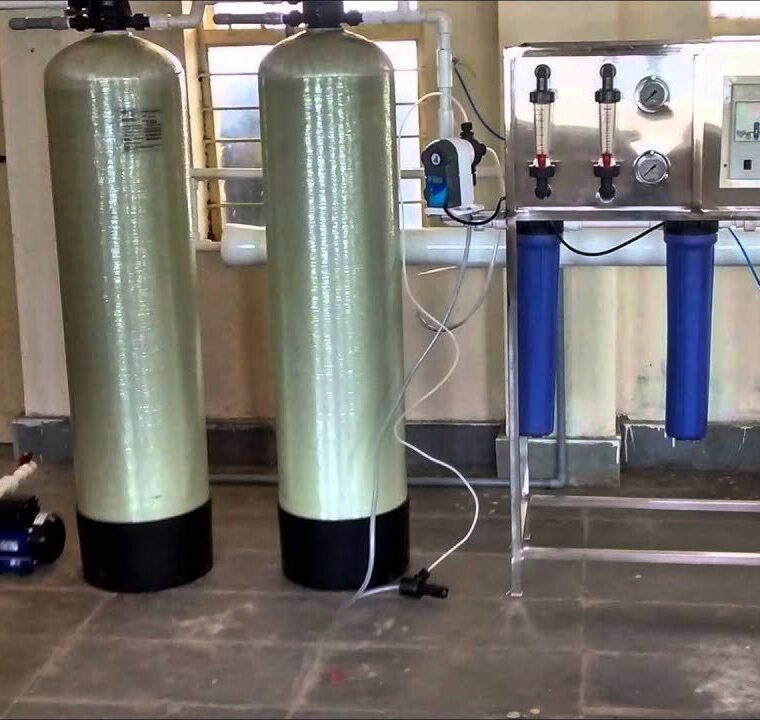
Mineral-based neutralization is appealing partly because the process can be relatively simple. Water flows through a treatment tank containing appropriate media, and the media interacts with the incoming water.
As the water passes through, the treatment media can gradually be consumed. That means the system isn’t completely maintenance-free, but the maintenance can be straightforward when the equipment is properly sized and monitored.
The exact design matters. Water chemistry, household demand, and flow requirements should all be considered when selecting the tank and media.
A system that works well for a small household may not be suitable for a larger home with several bathrooms and high simultaneous water demand.
The Advantage of a Non-Electric Approach
Homeowners often assume that every modern water-treatment system requires electricity. That’s not necessarily true.
Some treatment systems can operate without electricity, relying on the movement and pressure of the home’s water supply rather than powered pumps or electronic controls.
Related reading: Why Water Quality Plays a Bigger Role in Business Success Than Most People Realize
This can make the installation appealing in homes where simplicity is a priority. There are fewer electrical components to think about, and operation can be relatively quiet and uncomplicated.
That said, “no electricity” shouldn’t automatically be treated as the deciding factor. A system still needs to perform effectively for the actual water conditions. Simplicity is valuable, but only when it’s paired with appropriate treatment.
Installation Still Deserves Careful Planning
Even a simple treatment system needs to be installed correctly.
The equipment should be positioned where it can be accessed for future service and media replacement. The installer also needs to consider water flow, plumbing connections, available space, and any other treatment equipment already in the home.
Placement is particularly important in smaller utility areas. A tank might technically fit into a corner, but if nobody can comfortably reach the control components later, maintenance becomes unnecessarily frustrating.
It’s one of those details you don’t appreciate until you need to service the equipment.
How Often Does the Media Need Attention?
Mineral media doesn’t last forever. Depending on the water chemistry and amount of water treated, the media may gradually dissolve and need to be replenished.
Related reading: The Quiet Ways Water Quality Shapes Life at Home
The maintenance schedule isn’t identical for every household. Water with stronger acidity or higher consumption may use media more quickly than a smaller household with less demanding conditions.
Keeping an eye on system performance is useful. If water quality begins changing, flow decreases, or testing shows that pH is no longer being corrected as expected, it may be time to inspect the equipment.
A simple maintenance record can help you notice patterns over time.
What About Other Water Problems?
A neutralization system addresses a specific type of water-quality concern. It isn’t designed to solve everything.
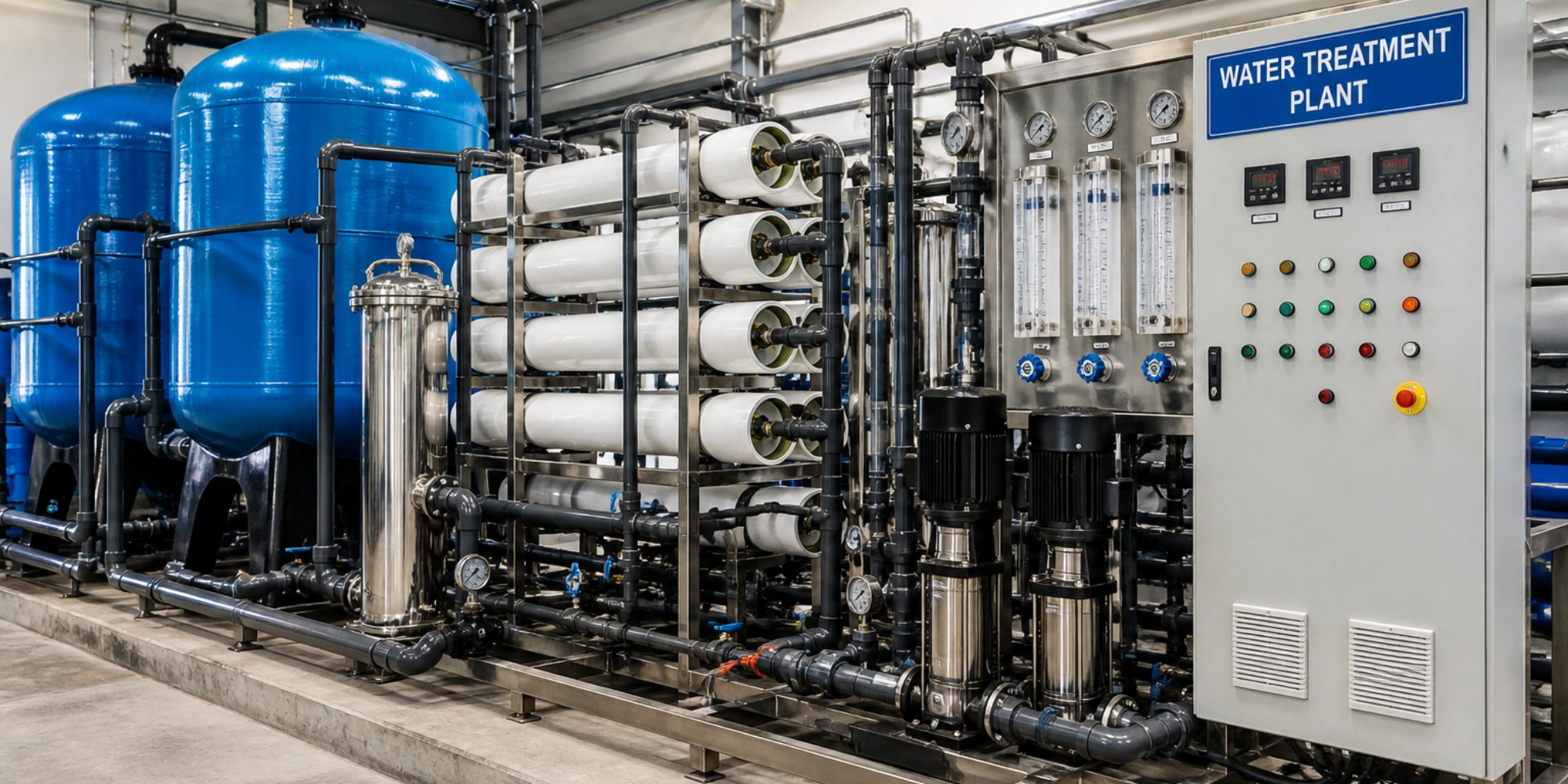
If a home has high hardness, for example, a water softener may be appropriate. Iron or sulfur may require specialized treatment. Sediment can call for prefiltration, while certain drinking-water contaminants may require activated carbon, reverse osmosis, or another targeted technology.
Sometimes several treatment stages work together.
For example, a sediment filter may protect downstream equipment from particles, while a neutralization system addresses water chemistry. The point is to give every piece of equipment a clear job instead of installing technology simply because it sounds impressive.
Related reading: Choosing the Right Water Treatment Help Starts With Knowing What You Need
Testing After Installation Is Just as Important
Testing shouldn’t stop once the system is installed.
Checking water chemistry after installation helps confirm whether the treatment is performing as intended. It can also provide useful information for adjusting maintenance schedules.
This is particularly important when water conditions are variable. Private wells can experience changes over time, and household water use may increase or decrease.
A treatment system should be viewed as part of an ongoing water-quality plan rather than a one-time purchase.
Keeping Water Treatment Practical
There is something refreshing about a treatment system that doesn’t demand much attention. When equipment is properly selected, installed, and maintained, it can simply become part of the home’s background infrastructure.
You don’t think about your electrical wiring every morning. You don’t inspect the water heater every time you take a shower. Ideally, water treatment should fit into daily life in much the same way.
The key is not to chase the newest technology or the longest list of features. Start with the water itself. Test it. Understand the chemistry. Identify the actual problem, then choose equipment that addresses it.
For homeowners dealing with unsuitable water chemistry, a mineral-based neutralization system can be a practical part of that solution. With the right media, proper sizing, thoughtful installation, and routine maintenance, the process can remain remarkably uncomplicated.
And perhaps that’s the real benefit. Good water treatment doesn’t need to make life feel more technical. Done properly, it quietly makes the water—and everything that depends on it—a little easier to live with.