What to Look for When Choosing a Reliable Water Filtration System
Most people don’t think much about water filtration until something makes them think about it. Maybe the tap water suddenly tastes different. Perhaps there’s an odd smell when you fill…
 PublishArena / Feature
Most people don’t think much about water filtration until something makes them think about it. Maybe the tap water suddenly tastes different. Perhaps there’s an odd smell when you fill a glass, or the coffee doesn’t taste quite right anymore. Sometimes the clue is…
What this feature establishes
- 01
Most people don't think much about water filtration until something makes them think about it.
- 02
Perhaps there's an odd smell when you fill a glass, or the coffee doesn't taste quite right anymore.
- 03
Sometimes the clue is less subtle: mineral deposits around fixtures, sediment in a filter, or a water test showing something you didn't expect.
Most people don’t think much about water filtration until something makes them think about it.
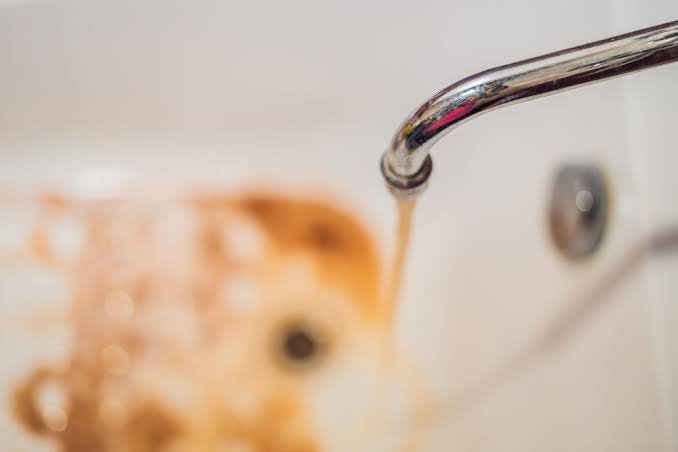
Maybe the tap water suddenly tastes different. Perhaps there’s an odd smell when you fill a glass, or the coffee doesn’t taste quite right anymore. Sometimes the clue is less subtle: mineral deposits around fixtures, sediment in a filter, or a water test showing something you didn’t expect.
At that point, shopping for a filtration system can become surprisingly confusing.
There are different filter types, treatment stages, flow rates, membranes, tanks, warranties, and technical specifications. Some products are designed for a single drinking-water faucet, while others treat water throughout the house.
The good news is that choosing a system doesn’t have to be a guessing game.
Start with the water, understand what you actually want to improve, and then compare equipment based on performance, maintenance, and long-term value.
Know What You’re Trying to Fix
Before looking at brands or models, identify the problem.
Does the water taste strongly of chlorine? Is there sediment? Hardness? Iron? A high level of dissolved solids? Are you primarily concerned with drinking water, or do you want better water throughout the home?
These questions matter because filtration technologies aren’t interchangeable.
A carbon filter may be useful for taste and odor. A sediment filter is designed for particles. A water softener addresses hardness. Reverse osmosis can reduce many dissolved substances.
If you’re unsure what is causing the issue, start with water testing.
A test gives you something concrete to work with rather than relying on assumptions.
Don’t Let the Price Tag Tell the Whole Story
It’s natural to compare prices first.
But the cheapest system isn’t always the least expensive system to own.
Related reading: Why the Right Water Filtration System Can Transform Your Home More Than You Expect
Think about replacement filters, membrane changes, installation, maintenance, electricity, water usage, and expected service life.
A system that costs a little more initially but has readily available replacement parts and straightforward maintenance may be a better value over several years.
Likewise, an expensive system isn’t automatically better.
Look at what you’re actually getting for the money.
Warranties Deserve a Closer Look
A warranty can provide useful protection, but don’t assume every warranty works the same way.
A limited warranty may cover certain defects for a specific period while excluding normal wear, consumable filters, installation problems, or damage caused by improper maintenance.
Read the details before buying.
Ask what is covered, how long coverage lasts, and whether labor is included.
It’s also worth finding out who handles warranty service.
A long warranty sounds great on paper, but if getting service is difficult, the practical value may be less impressive.
Pay Attention to the Filtration Media
Inside the housing, the filtration media is doing the actual treatment work.
Different materials have different purposes.
Activated carbon can help reduce chlorine and certain taste- and odor-causing compounds. Sediment media can capture particles. Specialized media may target iron, manganese, or other specific water characteristics.
The correct media depends on your water.
Related reading: When Your Tap Tastes a Little Too Sharp: A Real Look at Chlorine in Everyday Water
A filter marketed as “multi-purpose” isn’t necessarily the right choice for every household.
This is another reason water testing is useful. Once you know what needs to be reduced, you can choose media based on a real need rather than a marketing claim.
Think About Flow Rate
A filter can produce excellent water and still be frustrating if it restricts the household’s water flow too much.
This becomes especially noticeable in whole-house applications.
Imagine someone taking a shower while the washing machine is filling and another person is using the kitchen sink. If the filtration system can’t handle the combined demand, the pressure may drop.
Flow rate should therefore be considered alongside filtration performance.
Don’t only ask, “How much does it filter?”
Ask, “How much water can it deliver while doing that?”
The answer matters in everyday life.
A Brand Name Isn’t a Substitute for Research
Well-known names can provide reassurance, but brand recognition alone shouldn’t make the decision.
For example, a product such as PuroMax may be worth investigating if it fits the particular application, but the important questions remain the same: What does it remove? What are its operating requirements? How often do components need replacement? Is the system appropriate for the source water?
Brand names can narrow the search.
They shouldn’t end it.
Drinking Water Needs Special Attention
When the main goal is better drinking water, the details become especially important.
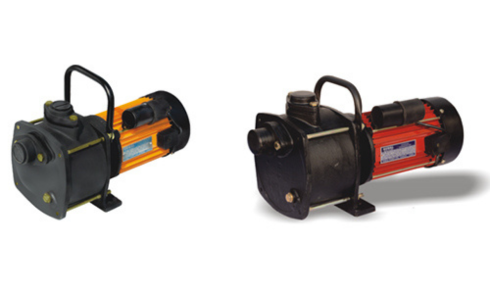
Related reading: When the Water Stops, You Notice Everything: A Real Look at the Pump Behind Your Home
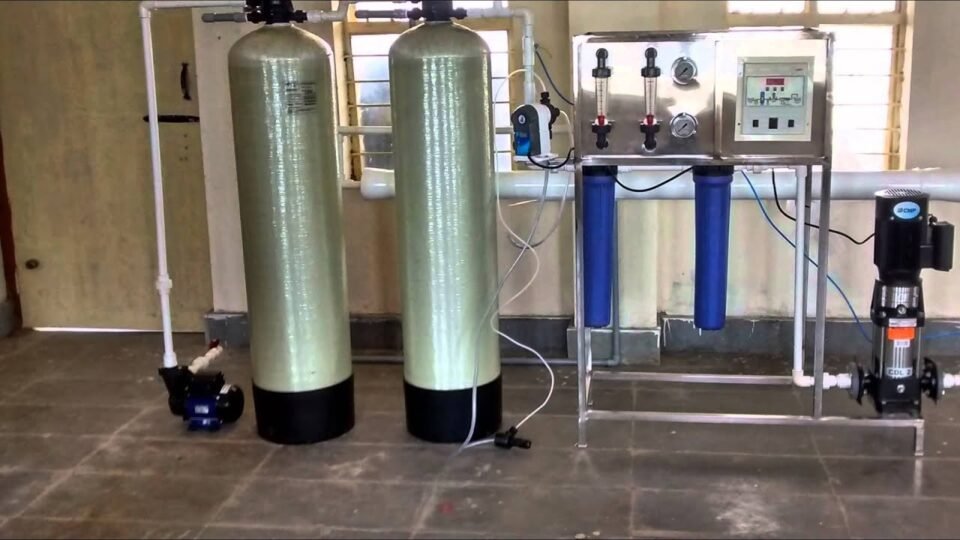
The materials used in the system, the filtration stages, the membrane, tubing, faucet, and storage components all come into direct consideration.
Look for equipment designed and certified for its intended use where applicable.
Also think about where the treated water will be used. If you’re primarily concerned with taste and dissolved substances at the kitchen sink, a point-of-use system may be sufficient.
There’s no reason to install a complicated whole-house setup if your actual goal is simply better water for drinking and cooking.
On the other hand, if the entire household has a water-quality issue, treating only one faucet may not solve the underlying problem.
Maintenance Is Part of Performance
Water filters don’t work forever.
As media collects contaminants or reaches its capacity, performance can decline.
That’s why maintenance isn’t an optional extra. It’s part of owning a filtration system.
Ask how frequently filters need to be changed and what replacement cartridges cost.
Find out whether you can perform basic maintenance yourself or whether professional service is recommended.
A system that is easy to maintain has a better chance of being maintained properly.
It’s a simple point, but an important one.
Installation Can Affect the Result
Even a good filtration system can perform poorly if it’s installed incorrectly.
Flow direction matters. Pressure matters. Drain connections matter for certain systems. There needs to be enough space for service and replacement parts.
Related reading: A Simpler Way to Improve Water Quality With Natural Filtration
Whole-house systems should also be installed in an appropriate location with adequate drainage and access.
For under-sink equipment, tubing should be routed cleanly without sharp bends or unnecessary strain.
Installation isn’t just about making the system work on day one.
It’s about making sure it remains serviceable later.
Consider the Long-Term Water Quality Goal
A good filtration decision isn’t only about fixing today’s problem.
Think about what you want the water to be like several years from now.
If you’re on well water, conditions can change. If municipal water characteristics change, your filtration needs might change as well.
A flexible system can sometimes be easier to adapt than a highly specialized setup that has no room for modification.
That doesn’t mean buying the most complicated equipment available.
It means considering whether the system can reasonably grow with your needs.
Ask Better Questions Before You Buy
When you’re comparing filtration systems, don’t be shy about asking questions.
What does the system remove?
What doesn’t it remove?
What water conditions does it require?
Related reading: Choosing the Right Water Treatment Help Starts With Knowing What You Need
How often do filters need replacement?
What is the expected flow rate?
How much water does it use?
What does maintenance cost?
What exactly does the warranty cover?
These questions cut through a lot of marketing language.
A reputable water-treatment professional should be comfortable answering them.
The Right System Should Make Life Easier
Water filtration isn’t really about owning sophisticated equipment.
It’s about improving something you use constantly.
The best system is one that addresses a genuine water-quality concern, fits your household’s usage, remains manageable to maintain, and delivers consistent performance without creating unnecessary complexity.
Start with testing. Understand the problem. Compare technologies rather than just brands. Look beyond the initial purchase price.
And remember that good water treatment doesn’t have to announce itself.
When everything is working properly, you simply turn on the tap, fill a glass, make your coffee, cook dinner, and carry on with your day.
That’s the real measure of a successful filtration system: not how impressive it looks in the utility room, but how effortlessly it improves the water you rely on every day.